
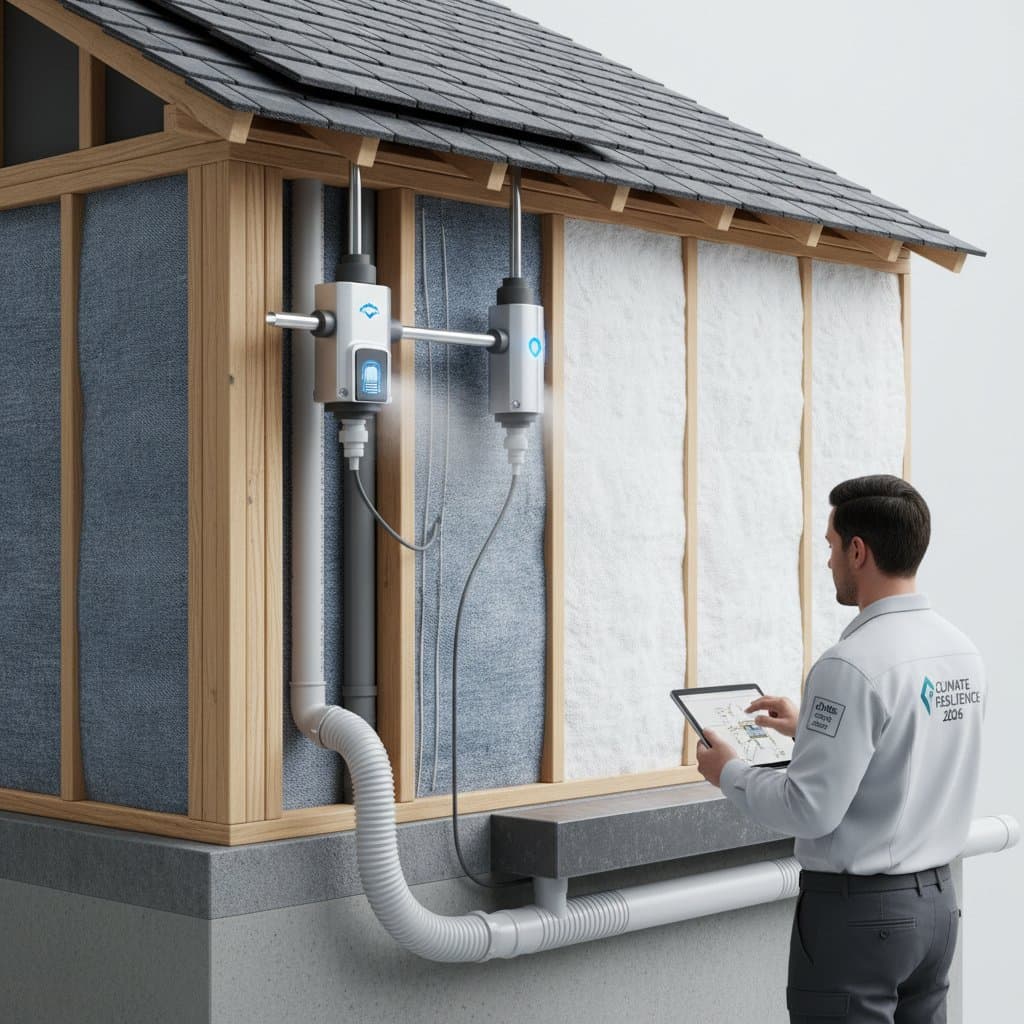
Essential Weatherization Upgrades for Extreme Weather Homes
If you have ever watched your energy bill climb after a cold snap or felt your home turn into a sauna during a heatwave, you already know how much weather affects comfort and cost. Weatherization upgrades serve as your best defense. They boost efficiency, protect your investment, and make the living space more resilient when the elements turn rough. Whether you face blistering summers, icy winters, or frequent storms, these essential upgrades can help you fortify your home without draining your budget.
Understanding What Weatherization Really Means
Weatherization is not just sealing windows or adding insulation. It is a full approach to improving your home ability to maintain stable indoor conditions regardless of what is happening outside. The goal is to reduce air leaks, prevent moisture damage, and create a barrier that keeps energy where it belongs. A well weatherized home stays warmer in winter, cooler in summer, and quieter year round.
While professional audits can pinpoint your home weak spots, you can start with a few simple checks. Feel around doors and windows for drafts. Inspect your attic for gaps in insulation. Look for signs of moisture near walls or ceilings. If you notice uneven temperatures between rooms or condensation on glass, your home is likely losing valuable energy.
Sealing Drafts and Air Leaks
Air leaks act as silent energy thieves. Even a small gap around a door frame can let in enough outside air to make your HVAC system work overtime. Start by focusing on these common culprits.
- Windows and Doors: Use weatherstripping or silicone caulk to seal cracks. Expect to spend about 50 to 200 dollars depending on the number of openings you treat.
- Attic Hatches and Ceiling Fixtures: Spray foam insulation can seal gaps around light fixtures and access doors.
- Baseboards and Outlets: Foam gaskets behind outlet covers help stop air leaks in exterior walls.
If your home is older, a professional blower door test can identify hidden leaks. This service costs roughly 150 to 400 dollars but can reveal problem areas you would never find otherwise. Fixing those leaks can lower your energy bills by as much as 15 percent over time.
Upgrading Insulation for Year Round Comfort
Insulation is the unsung hero of home efficiency. It keeps your indoor climate stable and reduces the strain on heating and cooling systems. Focus first on the attic, since heat rises and escapes through the roof. Fiberglass batt insulation costs about 1 to 2 dollars per square foot, while blown in cellulose ranges from 1.50 to 3 dollars per square foot. Either option can deliver noticeable improvements in comfort and sound control.
Walls and crawl spaces benefit from added insulation too, especially in regions with extreme temperature swings. If your home has older fiberglass batts that have settled or compacted, replacing them can yield a major performance boost. Spray foam is pricier, averaging 3 to 6 dollars per square foot, but it seals air leaks while insulating, making it a strong choice for high impact zones.
Choosing Weather Resistant Windows and Doors
Windows and doors represent your home most vulnerable openings. Energy efficient replacements can make a huge difference during heatwaves or cold spells. Look for double or triple pane glass filled with argon gas, which acts as an invisible insulator. Low emissivity coatings reflect heat back inside in winter and block solar gain in summer.
A typical window replacement costs between 400 and 900 dollars per unit, while energy rated exterior doors range from 600 to 1500 dollars. The upfront cost can feel steep, but these upgrades often pay for themselves in five to seven years through reduced heating and cooling costs. If full replacements are not in your budget, add insulating window film or thermal curtains for a temporary but effective fix.
Reinforcing Roofs and Gutters
Your roof is your home first line of defense against extreme weather. High winds, heavy rain, or snow loads can expose weak spots quickly. Inspect shingles for cracks or curling edges, and replace damaged sections promptly. Adding an ice and water shield underlayment offers extra protection against leaks in cold or wet climates.
Proper gutter maintenance is equally important. Clogged gutters can cause water to back up under shingles or flow toward your foundation. Install gutter guards to reduce debris buildup and direct downspouts at least five feet away from the house. Expect to spend around 300 to 700 dollars for professional gutter cleaning and guard installation, depending on the size of your home.
Strengthening Exterior Walls and Siding
When extreme weather hits, your home siding takes the brunt of it. Vinyl and fiber cement are durable and low maintenance, but even these materials can benefit from weather resistant coatings. Repainting or sealing every few years helps prevent moisture intrusion and sun damage. If your siding is cracked or warped, replacing it with insulated vinyl or composite siding can improve both appearance and thermal performance.
Costs vary widely, from 5000 dollars for basic vinyl to 15000 dollars or more for premium fiber cement. While that may sound significant, updated siding can increase your home value and drastically cut energy waste.
Managing Moisture and Ventilation
Moisture is a quiet destroyer. Poor ventilation allows condensation to collect, leading to mold and wood rot. Weatherization includes managing airflow so that your home stays dry and healthy. Install vent fans in kitchens and bathrooms if you do not already have them, and make sure attic vents are clear of insulation or debris.
A dehumidifier can help in damp climates, especially in basements or crawl spaces. For a permanent fix, consider installing a vapor barrier under your home. The cost ranges from 1200 to 3000 dollars depending on size and complexity, but it is a worthwhile investment in structural health.
Backup Power and Resilience Planning
Even with perfect insulation and sealing, power outages can test your home preparedness. A portable generator or whole house backup system keeps essential functions running during storms or grid failures. Portable models start around 700 dollars, while standby generators range from 5000 to 10000 dollars including installation.
For homes in hurricane or wildfire zones, storm shutters or impact resistant windows add another layer of protection. Reinforcing garage doors with bracing kits, which cost around 150 to 300 dollars, helps prevent wind damage that could compromise the entire structure.
Pro Tips for Success
- Start with an Energy Audit: Whether you hire a pro or use a DIY kit, understanding where your home loses energy is the first step toward fixing it.
- Prioritize the Big Wins: Attic insulation and air sealing usually deliver the highest return on investment.
- Think Seasonally: Schedule upgrades before extreme weather hits so materials and contractors are readily available.
- Stay Safe: Always wear protective gear when handling insulation or sealants, and turn off power at the breaker when working near outlets or fixtures.
- Document Improvements: Keep receipts and photos. Some states and utilities offer rebates or tax incentives for efficiency upgrades.
Realizing Long Term Savings and Protection
Consistent attention to these upgrades builds lasting resilience. Homes that receive targeted weatherization maintain stable temperatures, reduce monthly utility expenses, and withstand seasonal extremes with greater ease. Over time the combination of sealing, insulation, and structural reinforcement protects both your budget and your property value.