
Why Gen Z Homeowners Prefer Professional Contractors to DIY Projects
Social media platforms showcase countless DIY success stories, from painting kitchen cabinets to building backyard structures. These visuals suggest home improvement requires minimal effort. However, a notable trend emerges among Gen Z homeowners, who possess strong digital skills and independent spirits. They increasingly select professional contractors for renovations rather than handling tasks alone.
This choice stems from strategic considerations rather than diminished motivation. Gen Z individuals enter homeownership with perspectives distinct from prior generations. Their decisions influence the broader home improvement sector in meaningful ways.
Redefining the Role of DIY
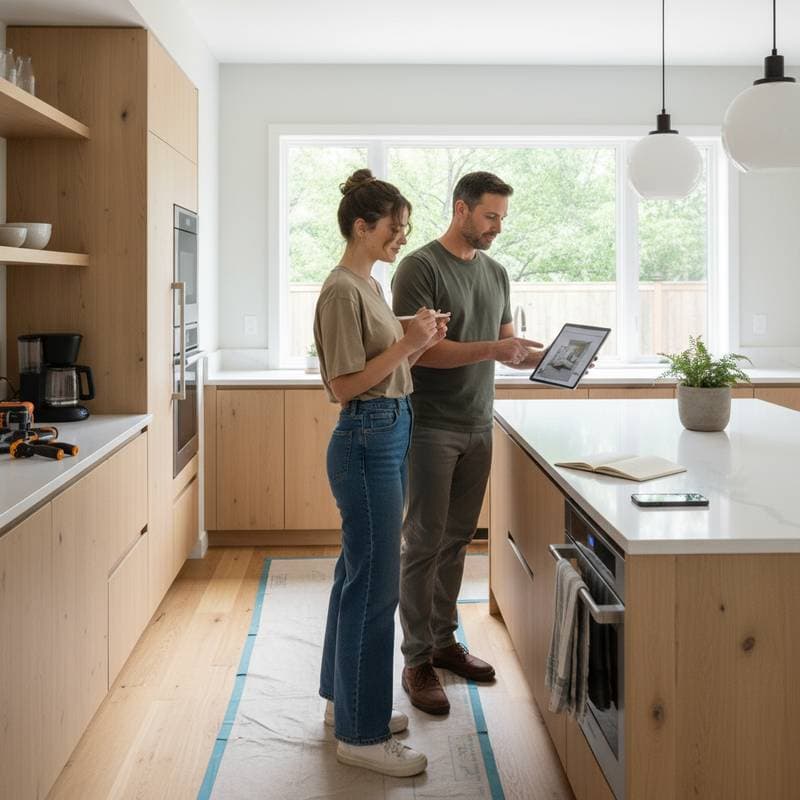
Traditional DIY involved hands-on work, such as applying paint or installing fixtures over a single weekend. For Gen Z, DIY now emphasizes oversight rather than labor. They direct the aesthetic and functional elements of their spaces while delegating technical implementation to experts.
This generation benefits from abundant online resources yet recognizes the intricacies of real-world projects. A tutorial that appears straightforward often conceals extended timelines, specialized equipment, and risks of errors that inflate expenses. Professionals represent an efficient path forward, aligned with informed planning.
Calculating Costs for True Value
Gen Z homeowners treat renovations as financial decisions. They seek precise estimates before committing resources. Professional bathroom updates typically range from $6,000 to $14,000, encompassing materials and skilled labor. DIY versions might cost $4,000 to $8,000, varying by expertise and choices.
Beyond initial outlays, they account for overlooked expenses like tools, discarded materials, and fixes for missteps. Contractor proposals often incorporate guarantees, insurance coverage, and adherence to building standards, which validate the added expense.
Long-term benefits weigh heavily in their evaluations. Substandard work diminishes market appeal and equity. Quality execution supports comfort and financial growth, positioning contractor involvement as a safeguard for future stability.
Valuing Time Above All
Young professionals juggle demanding schedules, including careers, ventures, and hobbies. Allocating full days to tasks like floor refinishing conflicts with these priorities.
Refinishing kitchen cabinets demands 15 to 20 hours for novices, excluding preparation and finishing touches. Experts accomplish the same in eight to ten hours, delivering superior durability and appearance.
Homeowners in this demographic desire functional spaces without ongoing demands. Investing in skilled services allows focus on meaningful activities, fostering equilibrium between home enhancement and personal advancement.
Leveraging Digital Insights for Informed Choices
Earlier generations depended on personal recommendations for contractor selection. Gen Z turns to online platforms for comprehensive evaluations. They analyze reviews, secure multiple bids via applications, and assess work through images and credentials.
Such resources instill assurance in decisions. The process transforms from uncertain to analytical. Many specialists provide virtual meetings, electronic agreements, and tracking tools, which suit digital-native preferences.
This integration of research, communication, and evidence streamlines partnerships between clients and providers.
Prioritizing Safety and Regulatory Compliance
Media portrayals of home projects seldom highlight essential safety protocols or legal standards. Tasks involving electricity, water systems, or load-bearing modifications require precise knowledge.
Gen Z avoids untrained attempts at these elements, aware of dangers like electrical faults or inspection failures. Certified experts guarantee conformity to codes, minimizing hazards and ensuring viability for sales.
Electricians, for example, charge $100 to $150 hourly, but their services include regulatory adherence and risk mitigation. This reliability outweighs the uncertainties of independent efforts.
Seeking Expertise to Guide Creativity
Unlike predecessors who embraced experimentation, Gen Z favors structured support. They inquire about recommended specialists rather than self-instruction methods.
Their tech-savvy background encourages delegation, similar to services for meals or education. Extending this to renovations aligns seamlessly.
Participation in design phases, including palette decisions, spatial arrangements, and eco-conscious selections, remains central. They act as visionaries collaborating with artisans, yielding personalized yet reliable results.
Integrating Sustainability into Renovations
Environmental responsibility shapes Gen Z choices. They seek materials that conserve resources, systems that optimize energy, and methods that limit waste.
Contractors access sustainable options like reclaimed lumber, non-toxic finishes, and precise techniques that curb emissions. These exceed typical store offerings for self-guided work.
Professional oversight verifies alignment with green standards, from effective thermal barriers to eco-managed waste. Suppliers who disclose origins and practices build lasting confidence.
Selecting DIY for Suitable Tasks
Professionals dominate complex endeavors, yet Gen Z retains DIY for simpler ones. Activities such as wall coloring, basic storage installation, or outdoor planting suit their skills and timelines.
- Choose painting for quick visual updates with minimal tools.
- Install shelves using pre-drilled kits to avoid structural risks.
- Develop gardens with modular planters for low-commitment greenery.
These selections maintain engagement without overwhelming demands.
Building Lasting Homes Through Collaboration
Gen Z homeowners demonstrate that expert partnerships enhance creativity without sacrificing involvement. They optimize results by blending personal ideas with proven methods.
New owners facing renovation dilemmas should assess time availability, safety familiarity, and project impacts. Professional input often emerges as the optimal route.
Homes serve as foundations for well-being. Pairing unique visions with craftsmanship creates enduring environments that enrich daily life and endure over time.