
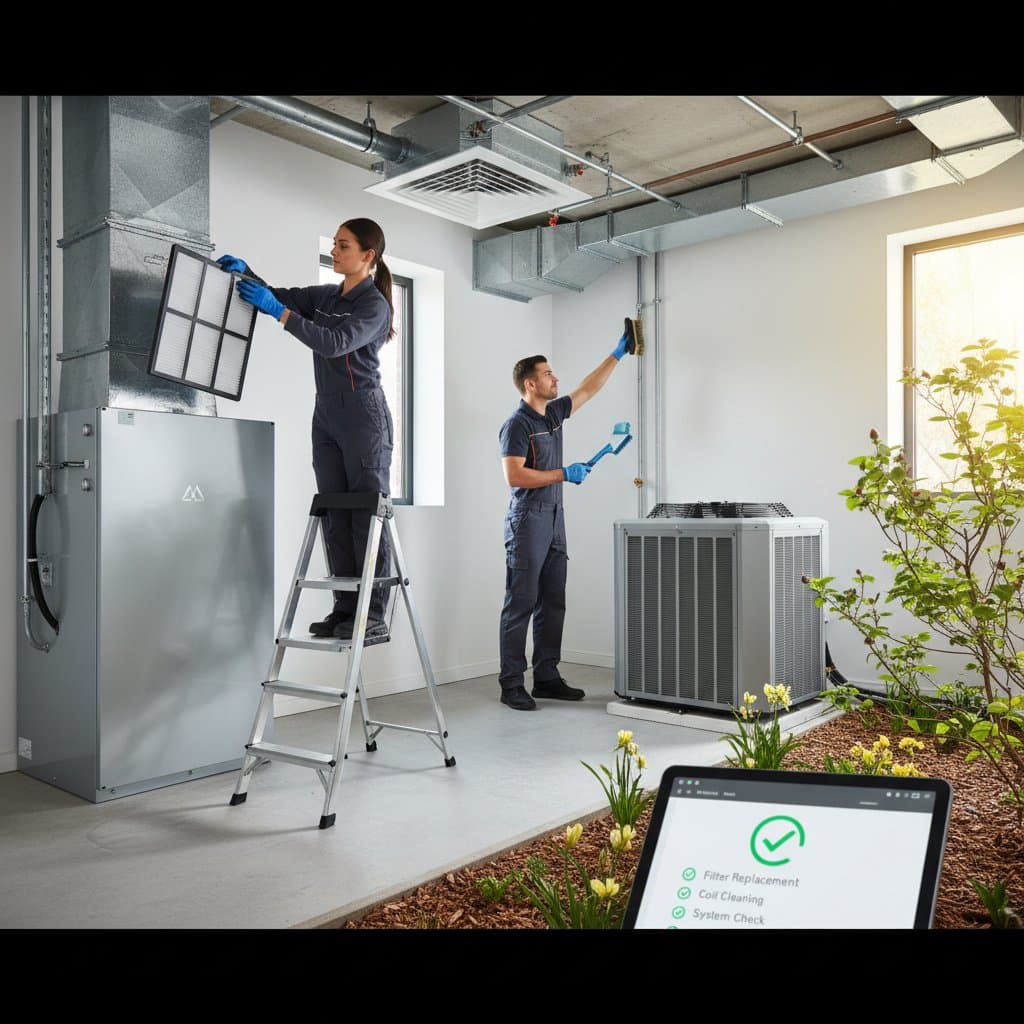
Prepare for Summer: Essential Spring HVAC Maintenance Checklist
Air conditioning failure on the initial hot day of summer creates significant inconvenience. Spring provides the ideal period to ready the HVAC system for seasonal demands. Dedicated maintenance efforts now prevent emergency service calls, elevated energy expenses, and discomfort during warm evenings. Homeowners may perform basic tasks independently or arrange expert service, but a systematic checklist guarantees efficient and secure operation.
Importance of Proactive HVAC Maintenance
The HVAC system operates continuously during winter to distribute warmth and purify air. Transition to cooling mode in warmer months imposes unique stress on components. Accumulated dust, obstructed filters, or undetected deterioration diminish performance and raise operational costs. Failure to maintain the system risks refrigerant leaks, electrical malfunctions, or compressor failure, with repair expenses ranging from several hundred to thousands of dollars.
Proactive measures extend equipment longevity, enhance indoor air quality, and stabilize utility costs. Simple homeowner actions include filter replacement and vent cleaning, while professional evaluations address refrigerant charges, electrical integrity, and system adjustments.
Step 1: Replace or Clean Air Filters
Initiate maintenance with this fundamental yet effective procedure. Clogged filters compel the system to labor excessively, elevating energy consumption and impeding airflow. Replace disposable filters every one to three months, adjusted for filter type and household dust levels. For reusable filters, wash them with mild soap and water, then allow complete drying prior to reinstallation.
Clean filters safeguard system components and promote health benefits. Enhanced circulation minimizes allergens, improving overall indoor environment. Maintain spare filters readily available to adhere to schedules without store visits.
Step 2: Clean Vents and Registers
Vents and registers collect dust throughout the heating period. Detach covers and vacuum interiors using a soft brush attachment. Identify blockages from furniture or curtains that hinder airflow. Even distribution of air maintains system efficiency and uniform temperatures across rooms.
For thorough cleaning, employ a damp cloth on metal surfaces, ensuring no liquids enter duct openings. Persistent musty odors, heavy dust discharge, or visible debris signal the need for expert duct cleaning services.
Step 3: Inspect the Outdoor Unit
The exterior condenser encounters leaves, soil, and debris that impede airflow. Prior to activating cooling, remove vegetation within a two-foot radius of the unit. Brush fins delicately or rinse with a garden hose directed inward to prevent bending. Avoid high-pressure sprays or abrasive cleaners.
Examine fan blades, refrigerant lines, and wiring for evident damage. Oil residues or atypical sounds during operation indicate possible leaks or mechanical issues, necessitating licensed technician intervention.
Step 4: Test the Thermostat
Switch the thermostat to cooling mode and reduce the setting by several degrees. Observe system activation and verify cool air emission from vents. Should airflow fail, inspect the circuit breaker and thermostat batteries prior to seeking assistance.
Upgrade to a programmable or smart thermostat from a manual model for optimal results. These devices adjust temperatures according to routines and preferences, potentially lowering energy use. Numerous utilities provide incentives for such installations.
Step 5: Check Condensate Drain and Lines
Air conditioning generates moisture that exits via a dedicated pipe. Algae or debris may obstruct this line over time, leading to backups and leaks. Locate the drain near the indoor unit and confirm its patency. Flush with a vinegar and warm water solution to inhibit accumulation.
Water accumulation near the air handler or audible drips require immediate system shutdown and professional evaluation. Unaddressed drainage problems foster water damage, mold proliferation, or sensor disruptions.
Step 6: Inspect Insulation and Ductwork
Duct leaks squander substantial energy. Survey accessible spaces such as attics or basements for separated joints or compromised insulation. Seal minor gaps with aluminum tape; substantial defects demand expert remediation.
Verify insulation integrity around refrigerant lines. Compromised wrapping induces inefficiency and moisture issues. Sealed ducts elevate comfort levels and alleviate system stress, potentially reducing cooling expenses by up to 20 percent.
Step 7: Schedule Professional Maintenance
Homeowner efforts complement but do not substitute comprehensive technician service. Experts assess electrical elements, refrigerant pressures, fan motors, and safety mechanisms. Early detection averts failures and aligns the system with manufacturer guidelines.
Standard visits cost between 100 and 200 dollars, a fraction of major repair fees. Inquire about service contracts offering discounted seasonal inspections.
Step 8: Evaluate Air Quality Accessories
Spring suits the replacement or enhancement of HVAC-integrated filters, UV lamps, and humidifiers. Persistent winter dryness or odors suggest benefits from air purifiers or whole-home humidifiers. These additions optimize comfort and lessen cooling system burden through humidity regulation.
Step 9: Review Energy Usage Patterns
Examine recent utility statements to establish cooling season baselines. Track monthly consumption post-maintenance to gauge efficiency gains. Elevated bills despite servicing may indicate insulation deficiencies or thermostat inaccuracies, warranting further investigation.
Implement energy audits if patterns persist. Simple adjustments, such as sealing windows or optimizing appliance use, amplify HVAC performance and yield long-term savings.
Practical Strategies for Ongoing Maintenance
- Label filters with installation dates to track replacement intervals.
- Trim surrounding vegetation near the outdoor unit to preserve airflow.
- Monitor for irregular sounds like rattling or grinding, signaling loose parts.
- Document all maintenance, filter swaps, and repairs for warranty claims and home value.
- Assess overall home insulation if cooling expenses remain elevated after HVAC care.
Sustain System Efficiency Through the Seasons
Consistent spring preparation fortifies the HVAC system against summer rigors. These measures not only avert disruptions but also cultivate a healthier, more economical living space. Invest time now to enjoy reliable comfort when heat intensifies.