
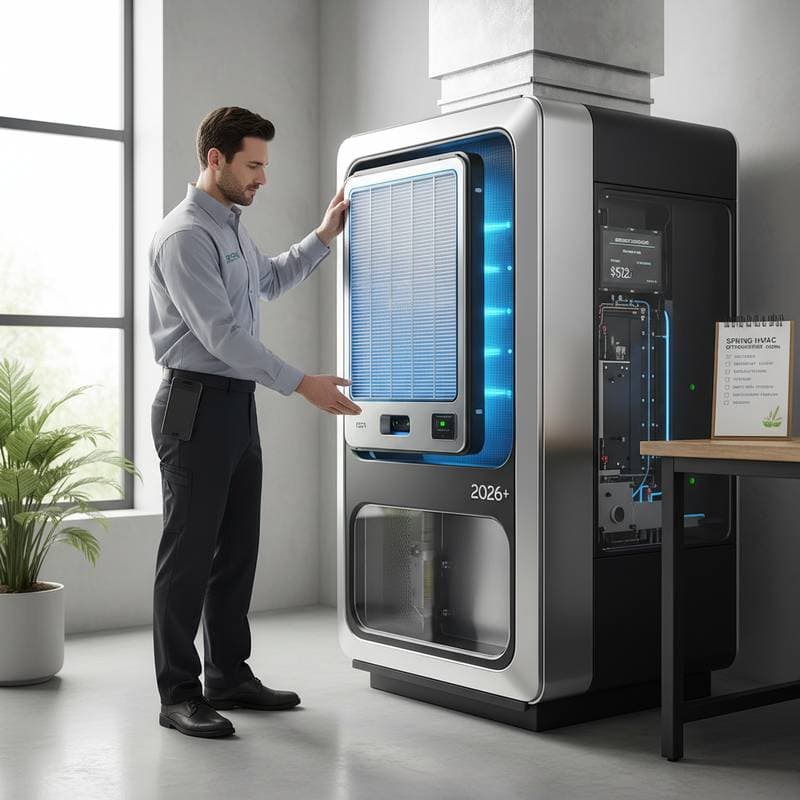
Introduction to Next-Generation HVAC Filters
Homeowners often overlook the HVAC filter as a key component in energy efficiency and indoor air quality. The Spring 2026 innovations change that perspective. These advanced filters incorporate electrostatic charges, nanofiber materials, and integrated smart sensors to capture more particles while maintaining optimal airflow.
This technology addresses common issues like dust buildup and restricted air circulation, which force HVAC systems to work harder. As a result, energy consumption drops significantly. For an average household, the savings can exceed $500 annually, depending on system size and usage patterns.
Beyond cost reduction, these filters contribute to healthier living spaces by trapping allergens, pollutants, and microbes more effectively. They also prolong equipment life by reducing strain on fans and coils. Upgrading to one of these models represents a practical step toward sustainability and comfort.
Key Technologies Behind the Savings
Electrostatic filters use charged fibers to attract and hold dust particles, outperforming traditional mechanical filters. This design allows for higher efficiency without excessive airflow resistance. Nanofiber layers add microscopic barriers that capture ultrafine particles, improving air purity in ways standard filters cannot.
Smart sensors monitor filter status in real time, alerting users via apps when replacement is needed. Some models even adjust fan speeds automatically to optimize performance. These features ensure the system runs at peak efficiency, minimizing energy waste.
Manufacturers have tested these technologies extensively. In controlled environments, they demonstrate up to 30 percent better filtration with 15 percent less pressure drop compared to older models. Such improvements translate directly to lower utility bills and reduced environmental impact.
Benefits for Homeowners
The primary advantage lies in energy savings. By allowing unrestricted airflow, these filters prevent the HVAC system from overworking. A typical central air unit might consume 20 percent more power with a clogged filter, leading to unnecessary expenses.
Air quality enhancements protect respiratory health, especially for families with allergies or pets. Filters with high MERV ratings, often 13 or above, remove 90 percent of airborne contaminants. This results in fewer HVAC-related illnesses and cleaner surfaces throughout the home.
Equipment longevity increases as well. Cleaner coils and fans experience less wear, potentially extending system life by years. For a $5,000 HVAC replacement, delaying that cost through better filtration proves invaluable.
Sustainability plays a role too. Reduced energy use lowers carbon footprints. Many of these filters use recyclable materials, aligning with eco-friendly home goals.
Selecting the Right Filter
Begin by assessing your HVAC system's specifications. Check the owner's manual for compatible sizes and maximum MERV ratings. Systems designed for MERV 8 may struggle with higher-rated filters, so consult a professional if unsure.
Consider your home's needs. For allergy sufferers, prioritize nanofiber models with antimicrobial treatments. In dusty areas, electrostatic options excel at capturing larger particles. Smart filters suit tech-savvy users who value app-based monitoring.
Budget for quality. Initial costs range from $20 to $100 per filter, but the return on investment through savings justifies the expense. Look for certifications from organizations like ASHRAE to ensure reliability.
Compare options at local suppliers or online retailers. Read user reviews for insights on ease of installation and real-world performance. Selecting the appropriate model sets the foundation for maximum benefits.
Step-by-Step Installation Guide
Proper installation maximizes the filter's potential. Start by turning off the HVAC system at the thermostat and breaker for safety. Locate the filter slot, typically near the return air duct or furnace.
Remove the old filter by sliding it out gently. Note the airflow arrow on the new filter, which indicates the direction air travels through the system. Installing it backward hampers efficiency and risks component damage.
Slide the new filter into place, ensuring a tight fit within the frame. Gaps allow unfiltered air to bypass, diminishing performance. Use weatherstripping or foam seals if the slot is loose.
For sensor-equipped models, pair the device with your smartphone app as per the manual. This may involve Bluetooth connection and initial calibration. Power on the system and verify smooth operation.
Test airflow by feeling the vents; it should feel stronger and more even than before. Listen for unusual noises, which could indicate restriction. Address any issues immediately to avoid strain on the system.
Troubleshooting Common Issues
Occasional problems arise even with high-quality filters. Weak airflow post-installation often stems from a too-restrictive model. Switch to a lower MERV rating or one with higher permeability to restore balance.
Smart alerts failing to trigger require checking battery life or app connectivity. Restart the device and ensure firmware remains updated. Consult the manufacturer's support for persistent issues.
Dust visible around vents suggests air leakage at the frame edges. Reinstall the filter firmly or add a gasket for a better seal. This simple fix prevents contaminants from circulating.
If energy bills do not decrease as expected, inspect the broader system. Dirty coils or ducts might counteract the filter's benefits. Schedule professional cleaning to optimize overall performance.
Sustaining Long-Term Performance
Regular maintenance preserves the filter's effectiveness. Replace it every one to three months, based on usage and air quality. Smart models provide precise reminders through connected apps.
Incorporate system checks into your routine. Clean vents quarterly and inspect the filter monthly for early signs of clogging. This proactive approach maintains efficiency and air quality.
Stock spares in your utility closet to avoid interruptions. If your thermostat integrates with the filter system, enable automatic notifications for replacements.
These habits ensure consistent savings and comfort. Over time, the cumulative effects build a more resilient, efficient home. The $500 annual reduction becomes a reliable outcome of diligent care.
Realizing Ongoing Value
Investing in advanced HVAC filters transforms routine home maintenance into a strategic advantage. Cleaner air enhances daily living, while lower bills free up resources for other priorities. Equipment that lasts longer reduces unexpected repair costs.
Homeowners report noticeable differences in system quietness and responsiveness. The integration of smart features adds convenience, making upkeep effortless. Ultimately, this upgrade fosters a healthier, more economical household.
Embrace these innovations to experience the full spectrum of benefits. Simple actions today yield substantial rewards tomorrow, from financial savings to environmental stewardship.