Who Should Pull Your Building Permits and Why It Matters
Building permits protect your home’s safety, value, and compliance—but who should handle them?
Loading...
Articles tagged with building
Building permits protect your home’s safety, value, and compliance—but who should handle them?
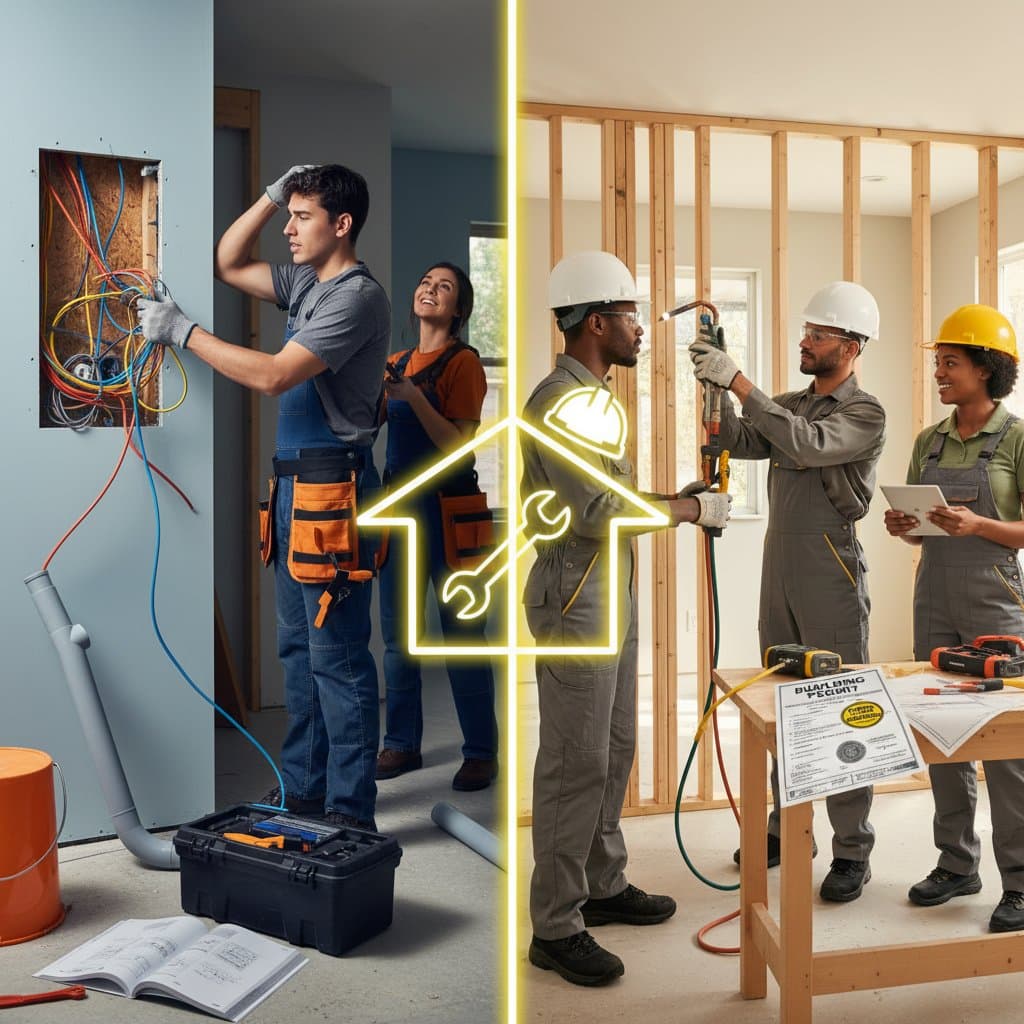
Permit-intensive home projects involving electrical, plumbing, or structural changes demand more than DIY enthusiasm. Licensed contractors expertly manage permits, inspections, and codes to prevent violations, safeguard safety, and preserve property value. This approach delivers reliable results, minimizes risks, and allows homeowners to focus on enjoying their upgraded spaces.
Upgrade your home in 2026 without permits or stress. This guide covers painting, flooring updates, lighting swaps, landscaping touches, and storage solutions to increase comfort, style, and property value. Gain essential safety advice, cost estimates, and expert techniques for compliant, confident weekend projects.
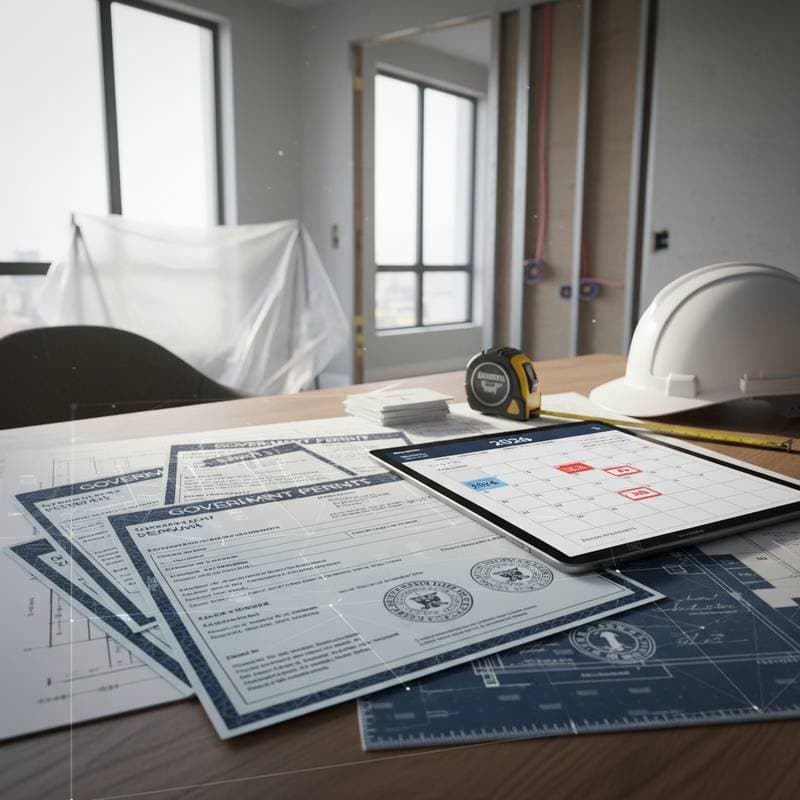
Prepare for a seamless 2026 renovation by understanding the building permit process. This comprehensive guide covers essential steps, common pitfalls, technology integration, and post-approval compliance to deliver your project on time and within budget.
With 2026 building codes advancing, homeowners must blend innovation with regulation. Explore frequent permit errors, cost estimates, and practical advice to streamline approvals and foster efficient, secure renovations.
In 2026, projects like roof replacements, HVAC upgrades, and fence installations often require permits to meet enhanced safety and efficiency standards. Understand local requirements to prevent fines, insurance complications, or delays in property resale. This guide details permit needs, application processes, and strategies for successful DIY compliance.
Navigate permit requirements with confidence to protect your renovation budget and home value. This guide details essential steps, common pitfalls to avoid, and tools for efficient approvals, ensuring your project remains on schedule from initial planning through final walkthrough.
Turn your backyard or garage into a revenue stream with an ADU. This guide covers essential permits, detailed cost estimates, ROI calculations, and tips to overcome challenges for a high-return investment by 2026.
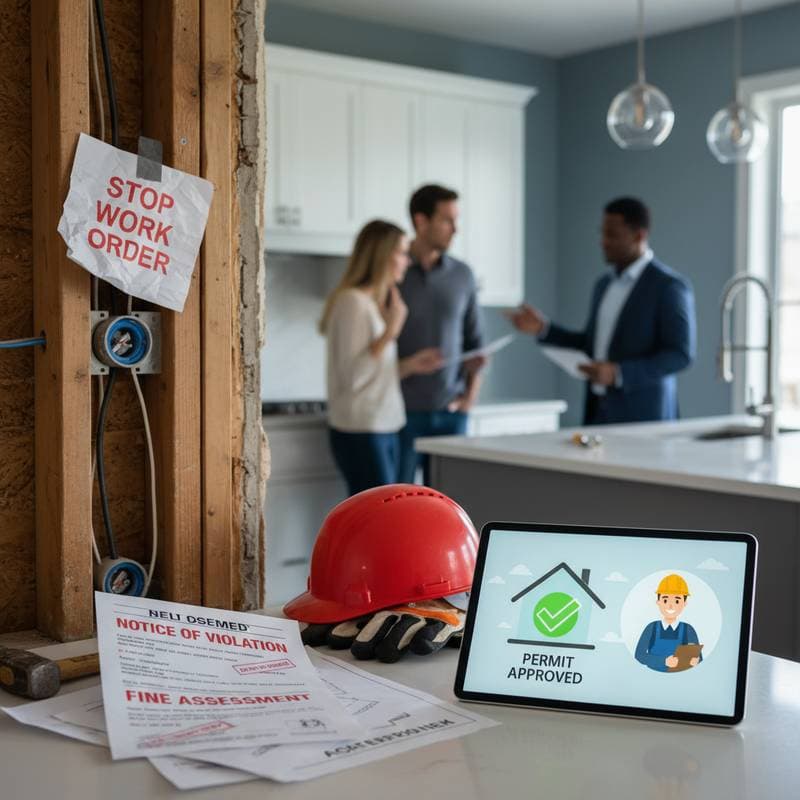
Kitchen and bath remodels enhance daily living and home value, yet permit oversights often result in fines, project halts, or expensive corrections. This comprehensive guide details permit necessities, application processes, cost management, contractor collaboration, and frequent errors to evade, guaranteeing your renovation remains legal, secure, and timely.
Certain home improvement tasks exceed the scope of DIY efforts. Projects involving electrical, structural, plumbing, and HVAC systems typically necessitate licensed experts to adhere to building codes and maintain insurance validity. This guide details permit requirements, compliance risks, and contractor verification methods to keep your renovations secure, lawful, and enduring.
With 2026 building codes introducing stricter standards, homeowners must decide between permit apps and licensed contractors. While apps expedite paperwork and tracking, contractors deliver the expertise needed for full compliance and quality. The optimal strategy merges technology for speed with professional insight for reliability and enduring results.
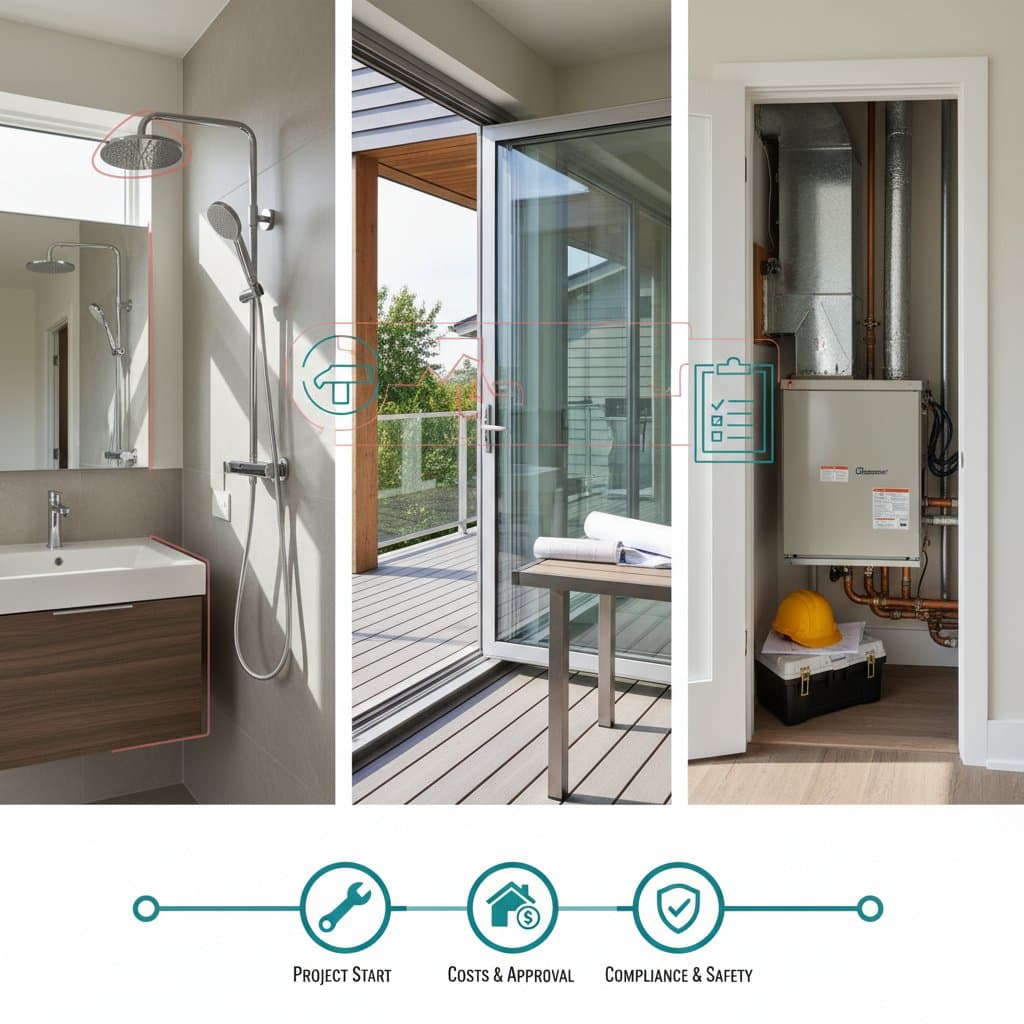
Many homeowners overlook permits for minor renovations, yet projects like plumbing swaps, deck builds, and HVAC upgrades often require them. Understand permit requirements, hire qualified experts, and prevent fines or safety issues to protect your home's value.
Master 2025 permit and contractor regulations to prevent renovation delays and protect your investment. From structural changes to energy upgrades, learn how to verify requirements, budget accurately, and select licensed professionals for a compliant, efficient remodel.
Home improvement projects offer savings through DIY efforts, yet neglecting permits leads to substantial fines, inspection failures, and long-term complications. This guide explains permit necessities, homeowner liabilities, and the advantages of professional involvement to safeguard your budget and property value.
Embark on DIY home projects with confidence by understanding permit requirements. While minor tasks stay permit-free, major structural, electrical, or plumbing work demands contractor approval. This knowledge safeguards safety, finances, and marketability, turning potential pitfalls into seamless successes.
Many DIY home projects, from deck additions to electrical upgrades, legally require building permits to maintain safety standards and protect property value. This comprehensive guide identifies key projects needing approval, explains regulatory purposes, and provides practical steps to handle the permitting process effectively, helping you renovate with assurance.
Embark on home upgrades with confidence by understanding permit requirements. This comprehensive overview details DIY limits, inspection essentials, and professional roles to sidestep penalties and secure lasting value.
The 2025 building permit updates introduce stricter requirements for DIY home improvements, emphasizing inspections and approvals for projects like decks and electrical work. Homeowners can navigate these changes through digital tools, precise budgeting, and proactive planning to prevent fines, project halts, and expensive corrections.
Turn your 2025 renovation into a seamless success by mastering the permit process. Gain insights on defining project scope, budgeting for fees, minimizing delays, and using digital tools. Expert advice on communication and compliance will safeguard your investment, promote safety, and maintain project timelines from inception to completion.
Envision transforming your living space over a weekend. Prior to beginning any demolition or installation, identify the DIY projects that necessitate permits and licensed professionals. Structural modifications, electrical upgrades, plumbing adjustments, and HVAC installations without proper approvals can result in substantial fines, safety dangers, and insurance complications. Recognize the indicators, safeguard your property, and proceed with informed decisions.