
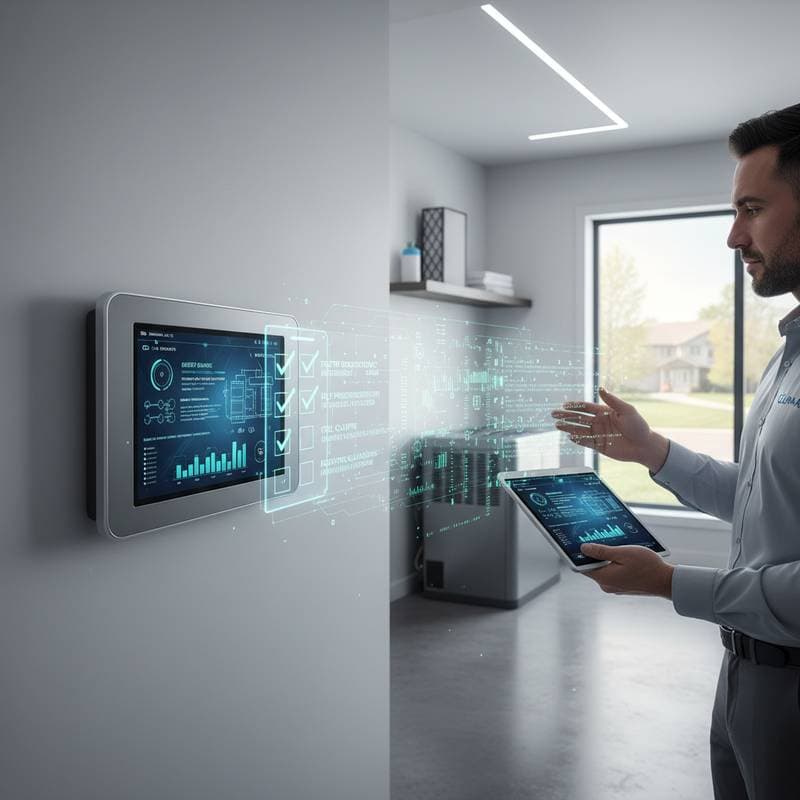
How AI Checklists Revolutionize Seasonal HVAC Maintenance
AI-powered checklists streamline spring HVAC preparation for 2026 by converting complex diagnostics into straightforward, data-informed tasks. These tools evaluate system performance in real time, forecast potential issues, and customize recommendations based on local weather patterns and usage history. Homeowners gain confidence through precise guidance that minimizes errors, reduces energy expenses, and extends equipment lifespan.
The integration of artificial intelligence into home maintenance transforms routine chores into efficient processes. Traditional methods often rely on vague schedules, leading to overlooked problems or unnecessary work. In contrast, AI checklists provide tailored insights that align with your specific system and environment, ensuring optimal operation as temperatures climb.
Step 1: Conduct a Comprehensive System Assessment
The process begins with an AI checklist that cross-references current operational data against past performance benchmarks. Extended cooling cycles or sudden increases in energy consumption trigger immediate notifications, highlighting deviations that could indicate underlying inefficiencies. This initial scan sets the foundation for targeted maintenance.
Action: Access the detailed summary report through your smart home application. Pay close attention to any highlighted alerts or anomalous metrics, such as unusual temperature fluctuations or power draw variations. Document these observations to inform subsequent steps.
Step 2: Replace Filters and Optimize Airflow
Clogged filters account for approximately 50 percent of HVAC efficiency reductions, restricting proper air circulation and straining the system. AI technology monitors filter condition by calculating usage based on actual operating hours, rather than fixed calendar intervals, to schedule replacements precisely when degradation occurs.
This approach prevents premature changes while avoiding prolonged exposure to contaminants that degrade indoor air quality. Improved airflow not only enhances cooling performance but also lowers overall electricity demands.
Action: Follow the AI prompt to install new filters or clean reusable ones thoroughly. After completion, verify enhanced airflow by checking system readings in the app; expect a noticeable drop in resistance and more consistent air distribution throughout the home.
Step 3: Clean Coils and Drain Lines
Evaporator and condenser coils accumulate dust and debris over time, which impedes heat transfer and raises operational temperatures. Similarly, condensate drain lines foster algae and mold growth in humid conditions, risking water backups that damage components. AI checklists proactively schedule cleanings to preempt these issues before summer humidity intensifies.
Regular attention to these areas maintains the system's thermal efficiency and prevents costly repairs from corrosion or blockages. Clean components ensure smoother operation and better dehumidification.
Action: Apply a specialized no-rinse cleaner to the coils, allowing it to penetrate and dissolve buildup without water. For the drain line, prepare a solution of equal parts white vinegar and water, then flush the line slowly to clear obstructions; monitor for clear drainage before resuming system use.
Step 4: Calibrate Thermostat and Update Software
Precise thermostat readings form the backbone of AI-driven predictions, as inaccuracies can lead to misguided adjustments and suboptimal performance. Outdated firmware may limit the system's ability to integrate advanced algorithms for energy management. Calibration and updates restore accuracy and unlock new features.
These steps fine-tune the entire HVAC ecosystem, enabling smarter responses to environmental changes. Homeowners benefit from refined control that adapts to daily routines and seasonal shifts.
Action: Initiate the built-in calibration sequence via the thermostat interface, adjusting settings to match verified room temperatures. Subsequently, scan for available firmware updates in the connected app and install them promptly to incorporate the latest optimization protocols.
Step 5: Inspect and Seal Ductwork
Air leaks in duct systems can waste up to 30 percent of conditioned air, driving up utility bills and uneven comfort levels. AI analytics detect potential leaks through airflow discrepancies during routine tests. Addressing these vulnerabilities preserves system integrity and efficiency.
A thorough inspection identifies hidden issues that visual checks alone might miss, ensuring comprehensive coverage. Sealing enhances distribution and reduces strain on the blower motor.
Action: Employ a smoke pencil to visualize escaping air at joints and connections, or use an infrared thermometer to spot cooler areas indicating leaks. Apply foil-backed tape or duct mastic to seal identified gaps, then retest airflow to confirm improvements.
Step 6: Perform a Full System Test Run
With preparations complete, engage the cooling mode for an extended cycle to simulate real-world demands. The AI observes key indicators like startup time, noise levels, and output temperatures, refining future checklists based on observed behaviors. This validation confirms readiness for the season ahead.
Early detection of irregularities allows for timely interventions, avoiding breakdowns during peak usage. The test run provides peace of mind through verified functionality.
Action: Monitor the system during operation, noting any unusual sounds, delays in response, or inconsistent cooling. Input these details into the AI interface; it will analyze the data and recommend professional intervention if metrics fall below standards.
Streamlining Collaboration with HVAC Professionals
AI checklists complement rather than supplant expert services, enhancing the effectiveness of professional visits. When arranging maintenance, share the generated report, which compiles runtime data, error histories, and prior interventions. This preparation accelerates troubleshooting and focuses efforts on unresolved concerns.
Certain platforms facilitate seamless connections by linking to verified technicians, enabling instant bookings triggered by AI alerts. Such integration bridges the gap between self-managed care and specialized support.
When to Engage a Professional:
- Situations involving refrigerant recharging or compressor diagnostics
- Evaluations of electrical wiring and controls
- Ongoing airflow restrictions after filter maintenance
- Confirmed declines in efficiency per AI assessments
This hybrid approach maximizes DIY capabilities while upholding safety through expert oversight.
Prioritizing Safety and Regulatory Adherence
AI guidance simplifies tasks, yet human vigilance ensures safe execution. Disconnect power to the unit prior to any internal access or cleaning to prevent electrical hazards. Wear appropriate gloves and eye protection when working with chemical cleaners or adhesives.
Compliance with regional regulations on refrigerants and wiring remains essential; AI tools often provide summaries of key standards, but direct consultation with certified experts verifies adherence. These precautions safeguard both the user and the equipment.
Essential Strategies for Optimal Results
-
Initiate Gradually: Install a compatible smart thermostat first, then incorporate additional sensors as familiarity grows.
-
Examine Periodic Summaries: Use the AI dashboard as a centralized log to track trends and progress over time.
-
Integrate with Scheduling Tools: Align AI notifications with calendar applications to streamline reminders without duplication.
-
Master Override Functions: Familiarize yourself with manual controls to adjust automated directives when circumstances change.
-
Record Modifications: Maintain records of filter specifications, professional services, and system enhancements to refine AI accuracy.
Sustaining Efficiency Through Ongoing AI Integration
Consistent use of AI checklists yields compounding benefits, from reduced repair frequency to sustained energy savings. Homeowners who follow these protocols report up to 20 percent lower annual costs and fewer emergency calls. This methodical care preserves your HVAC investment, delivering reliable comfort season after season.
By embedding intelligence into maintenance routines, you empower proactive management that anticipates needs rather than reacting to failures. The result is a resilient system tailored to your lifestyle, ensuring long-term performance and value.