
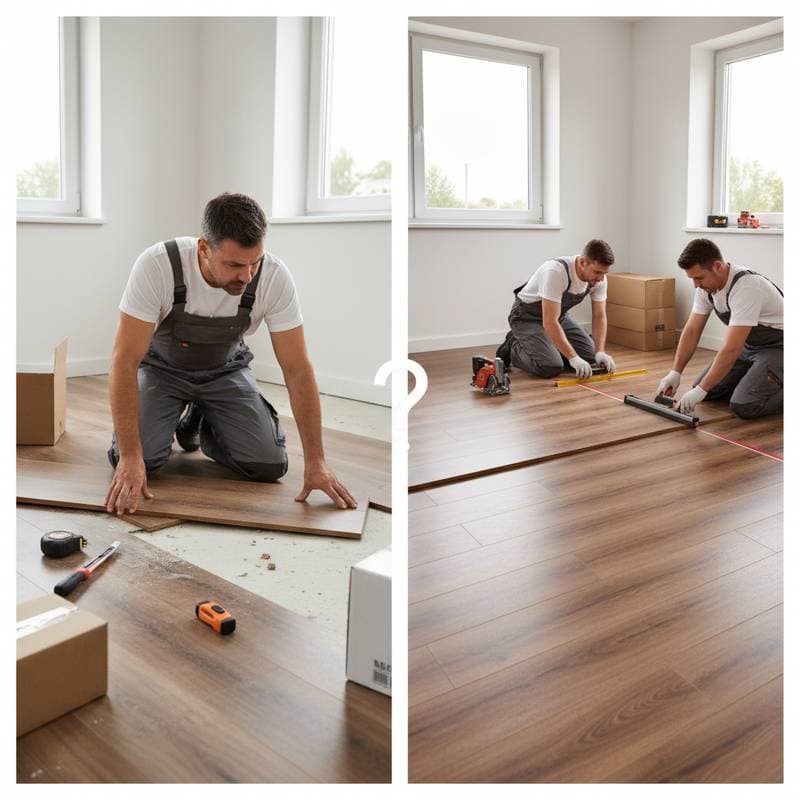
LVP Flooring: Weighing DIY Savings Against Professional Expertise
A newly installed luxury vinyl plank floor delivers a durable, comfortable surface that elevates any room. Homeowners must decide early whether to handle the installation themselves to cut costs or engage experts for reliable results. This choice hinges on available time, personal skills, and the condition of the existing space.
Attractions of Tackling LVP Installation Yourself
Luxury vinyl plank flooring stands out as an accessible project for dedicated homeowners due to its click-lock system and flexible material. Opting for DIY can reduce expenses by two to five dollars per square foot over professional rates, yielding substantial savings in a standard 200-square-foot room. Beyond finances, the process offers control over timing, pace, and design choices, fostering a sense of accomplishment upon completion.
Homeowners often discover enhanced appreciation for their living areas through hands-on involvement. However, these benefits depend on avoiding errors such as inadequate subfloor preparation or improper plank alignment, which may necessitate fixes that offset initial economies.
Hidden Expenses in DIY LVP Projects
LVP materials themselves cost two to five dollars per square foot, but DIY efforts require additional items like underlayment, spacers, replacement saw blades, and trim pieces. These elements can elevate the overall expense to three to six dollars per square foot based on selections. Tool rentals, including a dedicated flooring cutter or jigsaw, contribute another fifty to one hundred dollars.
Beginners typically invest eight to twelve hours in a single room, with complexities like doorways or odd shapes extending the effort. Errors in cutting or fitting often lead to rework, amplifying waste and irritation. Subfloor issues, such as unevenness or excess moisture, can extend preparation phases significantly.
Safety considerations add further layers. Vinyl cutting generates dust that demands good ventilation, while prolonged kneeling requires knee pads to prevent injury. Protective eyewear and ergonomic practices safeguard health during the task.
Value Provided by Professional Installers
Professional services for LVP installation range from four to nine dollars per square foot, encompassing labor and materials. Elevated rates account for challenges like intricate patterns, furniture relocation, or old floor removal. This investment secures access to advanced tools, moisture detection devices, and seasoned techniques for managing obstacles.
Experts finish rooms in roughly half the DIY timeframe, producing a flawless surface that boosts property appeal. Many offer warranties covering defects such as lifting or gaps, sparing owners from independent repairs. This coverage underscores the reliability embedded in professional work.
Accountability forms another core benefit. Licensed installers possess the capability to address issues promptly, providing reassurance throughout the home's lifespan.
Factors to Consider for Your Installation Choice
Evaluate skill level, available time, and subfloor quality when deciding between DIY and professional routes. Straightforward projects on level surfaces suit confident individuals, potentially yielding strong outcomes over a weekend. Complex scenarios, including aged structures or damp areas, favor expert intervention to minimize risks.
Long-term objectives influence the selection too. Properties slated for sale benefit from professional finishes that impress potential buyers. Personal upgrades, however, may thrive under DIY efforts that build skills and satisfaction.
Essential Preparation Steps for DIY Success
Thorough subfloor cleaning and leveling form the foundation of any DIY LVP project. Allow planks to acclimate in the installation space for a minimum of 48 hours to mitigate future warping or gaps. Measure twice before cutting to ensure precise fits around obstacles.
Use a straightedge for the first row to establish alignment, and maintain expansion gaps along walls with spacers. Test moisture levels with a simple meter if the area shows signs of dampness.
Maintaining Your Installed LVP Floor
Regular sweeping removes debris without scratching the surface. Place felt protectors on furniture legs to avoid dents during daily use. Clean spills promptly with a damp cloth and mild soap, steering clear of abrasives that erode the protective layer.
Consistent care preserves the floor's appearance and functionality for years. This routine investment ensures the space remains inviting and durable, aligning with initial project goals.