
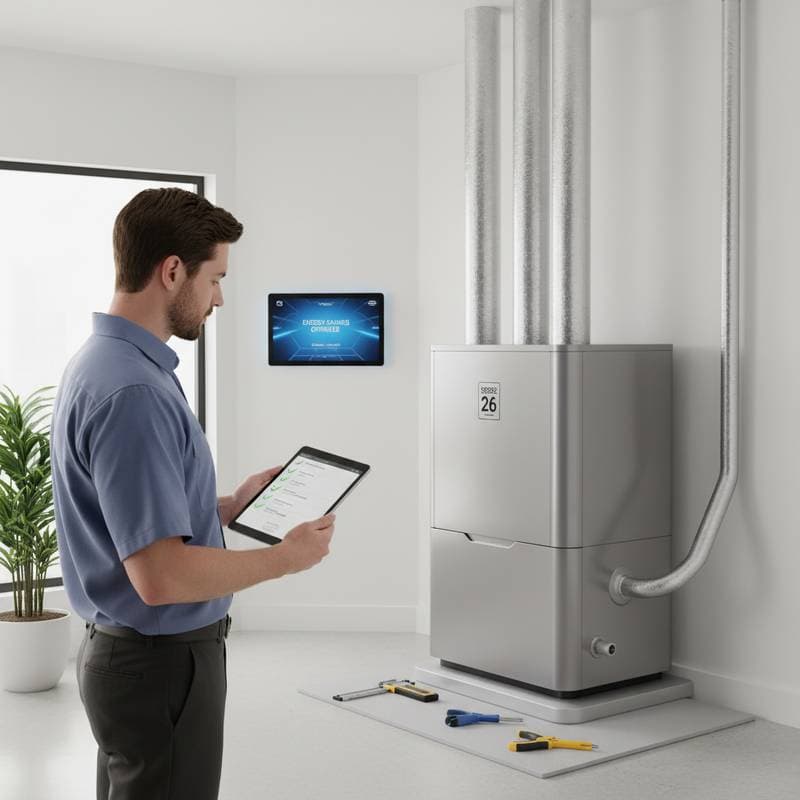
Preparing for 2026 HVAC Efficiency Standards
When spring arrives, homeowners begin to focus on cooling equipment that has remained unused through winter. New federal standards increase minimum efficiency levels for air conditioners and heat pumps. These changes influence energy consumption, installation practices, and ongoing maintenance requirements. Early preparation allows homeowners to maintain comfort while meeting updated performance expectations.
The following sections present a practical sequence of evaluations and improvements. Readers will find guidance on system assessment, upgrade decisions, and maintenance routines that support compliance and cost control.
Core Changes Affecting Homeowners
- Efficiency minimums have risen, so many older units fall short of current thresholds.
- Installation procedures now require documented load calculations, precise refrigerant levels, and balanced airflow.
- Maintenance records and performance checks form part of regional compliance verification in several states.
- Federal and utility incentives remain available for qualifying high-efficiency replacements.
Evaluate System Performance
Begin with a visual inspection of the outdoor unit and indoor air handler. Note age, capacity, and any visible wear on coils or fans. Replace filters if they appear loaded with debris, then verify that supply and return vents remain unobstructed.
Schedule a professional service call for a full diagnostic. Technicians measure refrigerant charge, test electrical components, and confirm that the system meets airflow specifications. Written results provide a baseline for future comparisons.
Select Compliant Equipment
When inspection shows that replacement is necessary, compare available models against the new efficiency tables. Costs for a complete installation typically range from 5000 to 12000 dollars, depending on equipment size and local labor rates. Energy reductions often recover the initial outlay within five to eight years.
Equipment Options by Climate
| System Type | Suitable Climate | SEER Range | Price Range | Payback Period |
|---|---|---|---|---|
| Central Air Conditioner | Moderate summers | 15 to 18 | 5000 to 8500 | 6 to 8 years |
| Heat Pump | Mixed seasons | 16 to 20 | 6000 to 10000 | 5 to 7 years |
| Variable-Speed Unit | High-performance homes | 18 to 24 | 9000 to 12000 | 4 to 6 years |
Request a Manual J load calculation before purchase. Proper sizing prevents short cycling and reduces wear on the compressor.
Improve Whole-House Efficiency
Additional measures increase the effectiveness of any HVAC system. Add insulation in attics and crawl spaces to limit heat transfer. Seal gaps around windows, doors, and penetrations to reduce conditioned air loss by as much as 20 percent.
Inspect duct runs for proper diameter and secure connections. Rebalance dampers if temperature differences appear between rooms. Install a programmable thermostat that adjusts set points according to occupancy patterns. Consider low-emissivity windows when budgets allow, because they limit solar heat gain during summer months.
Resolve Frequent Performance Issues
| Symptom | Common Cause | Corrective Action |
|---|---|---|
| Continuous operation | Clogged filter or incorrect thermostat setting | Replace filter and verify temperature calibration |
| Uneven room temperatures | Closed vents or duct leakage | Open vents fully and seal accessible joints |
| Elevated indoor humidity | Oversized equipment or blocked drain | Confirm proper sizing and clear condensate line |
| Unusual sounds | Loose panels or debris on fan blades | Disconnect power and tighten accessible fasteners |
| Reduced airflow | Dirty evaporator coil or worn blower motor | Clean coil surfaces and test motor amperage |
Persistent problems require attention from a licensed technician. Unauthorized repairs may cancel manufacturer warranties and create safety hazards.
Execute the Improvement Plan
Break the process into sequential tasks. Document current equipment condition, obtain professional inspection results, and complete basic maintenance items first. When replacement is required, compare incentive programs and schedule work before peak summer demand.
Consistent spring attention maintains compliance and supports steady comfort levels throughout the year. Lower utility costs, fewer service interruptions, and reduced environmental impact follow from these repeated efforts.