
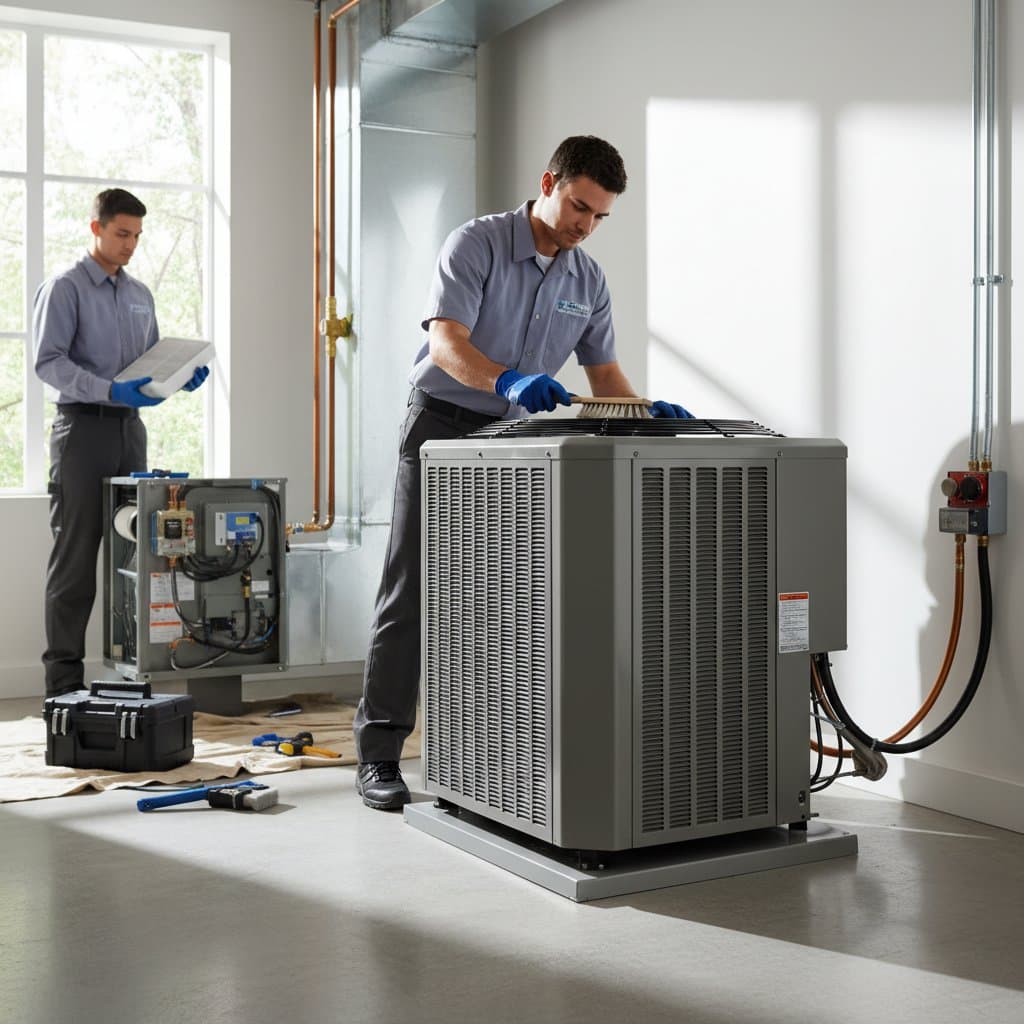
Prepare for Summer Comfort Through Spring HVAC Maintenance
Homeowners often face discomfort when air conditioning systems fail during peak heat. Proactive preparation in spring ensures reliable performance and avoids unexpected issues. This approach not only maintains comfort but also optimizes energy use and extends equipment longevity.
Spring provides an ideal time to assess and service heating, ventilation, and air conditioning systems before summer demands increase. Delaying maintenance until hot weather arrives leads to strained components, higher energy consumption, and potential breakdowns. Simple steps taken now prevent these problems and promote a more efficient home environment.
Benefits of a Professional HVAC Tune-Up
While basic tasks suit homeowner efforts, professional services address complex elements effectively. Certified technicians examine hard-to-reach areas, including wiring, refrigerant circuits, and fan mechanisms. These inspections identify issues early and adjust operations for optimal function.
A comprehensive tune-up enhances airflow, reduces operational noise, and improves temperature control. Technicians verify safety features and ensure compliance with manufacturer guidelines. Such attention minimizes risks like electrical faults or refrigerant leaks.
Standard pricing: Ranges from $125 to $300, depending on system size and location.
Recommended scheduling: Book appointments in early spring to secure availability before seasonal rushes.
Key components of a professional tune-up:
- Evaluation of refrigerant levels with necessary replenishment to maintain cooling capacity.
- Thorough cleaning of indoor evaporator coils and outdoor condenser coils to remove accumulated dirt.
- Examination of electrical components, including wiring and capacitors, with adjustments for secure connections.
- Application of lubricants to moving parts like fan motors and belts to reduce friction.
- Adjustment of thermostat settings for precise temperature regulation.
- Simulation of full system cycles to confirm smooth operation from activation to deactivation.
This process not only elevates immediate performance but also safeguards the system against premature wear, potentially adding years to its service life.
Financial Implications and Efficiency Gains
Initial maintenance costs may deter some, yet the long-term advantages outweigh these expenses. Neglected systems lose efficiency, forcing the unit to work harder and consume more power. Regular care restores peak operation, leading to noticeable reductions in utility expenses.
Efficient systems achieve up to 25 percent better performance compared to those lacking upkeep. This improvement translates to substantial savings over time. Homeowners also contribute to environmental sustainability by lowering overall energy demands.
Projected yearly savings: $150 to $400, influenced by unit age, local rates, and usage patterns.
Investment recovery: Most tune-up fees recoup through savings in a single season, with ongoing benefits accumulating thereafter.
For units over ten years old, consider efficiency benchmarks during inspections. Newer models incorporate advanced features, such as variable-speed compressors, that cut energy use by 30 percent or more. Planning for upgrades based on current assessments allows for informed budgeting and timely decisions.
Balancing DIY Efforts with Expert Intervention
Spring preparation includes accessible tasks that empower homeowners to contribute directly. These actions build familiarity with the system and catch minor issues promptly. However, certain procedures demand specialized tools and knowledge to avoid damage.
Tasks suitable for DIY:
- Installation of new air filters to improve air quality and system airflow.
- Removal of leaves, dirt, and vegetation around outdoor units for unobstructed operation.
- Verification of thermostat responsiveness through basic function tests.
- Inspection and clearing of condensate drain lines to prevent water backups.
Tasks requiring professionals:
- Assessment and adjustment of refrigerant volumes, which involves precise measurements.
- Diagnosis of electrical systems to detect hidden faults.
- Detailed cleaning of internal coils using approved chemicals and equipment.
- Fine-tuning of airflow distribution across ducts for even cooling.
When doubt arises, consult a technician immediately. The cost of a precautionary visit remains far below that of major component failures, such as compressor replacements.
Sustaining Performance Year-Round
Completion of spring work sets a foundation for consistent reliability. Integrate routine checks into household schedules to preserve these improvements. Vigilance ensures the system operates smoothly through varying seasons.
Essential ongoing practices:
- Exchange filters every one to three months, based on usage and filter type.
- Regularly inspect and clear outdoor units of obstructions like plants or debris.
- Track monthly energy statements for anomalies that signal inefficiency.
- Arrange biannual professional reviews to maintain balanced heating and cooling functions.
Adopting these measures reduces the likelihood of urgent interventions. Homes stay comfortable, and systems endure longer under proper care.
Ensure Lasting Cooling Reliability
Prioritizing spring HVAC maintenance delivers peace of mind and financial prudence. Systems receive the necessary attention to handle summer challenges effectively. Homeowners enjoy consistent comfort without the disruption of failures or escalating costs.
Assemble a maintenance plan today, including filter supplies and service contacts. Early action positions the home for a seamless transition into warmer months. Reliable cooling awaits those who invest in preparation now.