
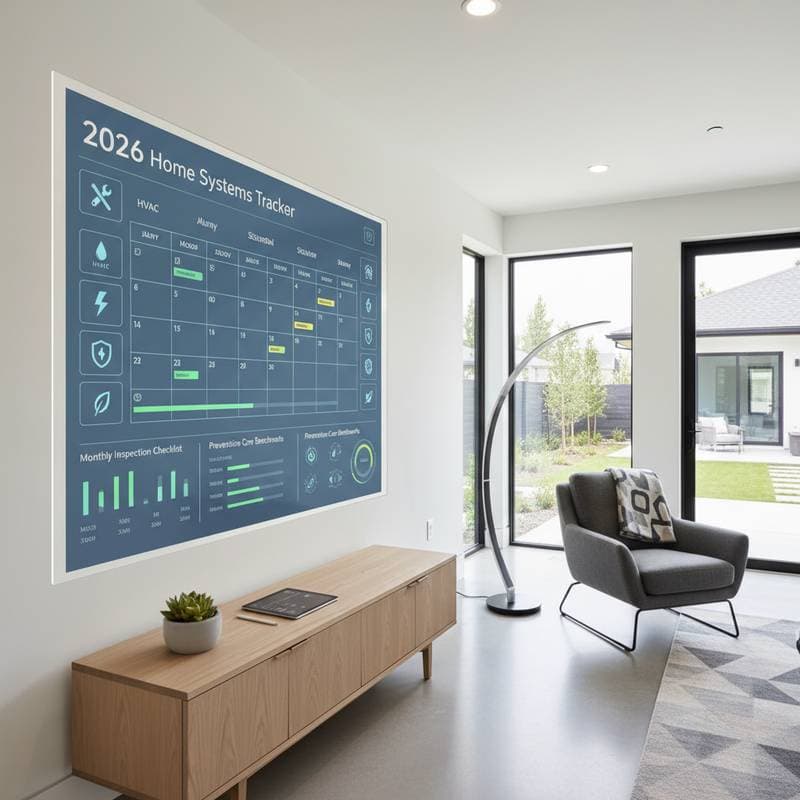
Mastering Home Maintenance with the 2026 Tracker
Home systems demand regular attention to avoid unexpected failures. Noises from vents, fluctuating temperatures, or flickering lights signal underlying issues that can escalate quickly. Every residence operates as an interconnected network of heating, ventilation, air conditioning, plumbing, electrical, and structural elements. Neglect leads to inefficiencies that result in substantial repair expenses. A structured maintenance approach addresses these challenges by promoting vigilance and organization.
The 2026 Tracker provides a comprehensive framework for homeowners to anticipate and mitigate wear. This method categorizes the home into essential systems, establishes routine checklists, and ties activities to performance indicators. The result includes reduced disruptions, minimized expenditures, and enhanced safety alongside comfort.
1. HVAC Systems
Purpose: Maintain optimal heating, cooling, and indoor air quality while maximizing energy efficiency.
Monthly Tasks:
- Inspect and replace air filters if dirty
- Clean vents and registers to ensure proper airflow
- Monitor thermostat settings for consistent operation
Seasonal Tasks: - Schedule professional servicing for the furnace or air conditioner
- Test the system by running it through full cycles in appropriate weather
Expected Cost Range:
DIY tasks require under 30 dollars monthly for filters and cleaning supplies. Annual professional tune-ups cost between 150 and 300 dollars.
Pro Tip: Record indoor humidity levels. Deviations from 30 to 50 percent often indicate filter clogs or duct problems before efficiency drops noticeably.
2. Plumbing and Water Systems
Purpose: Prevent leaks, water damage, and resource waste.
Monthly Tasks:
- Examine areas under sinks for signs of moisture or corrosion
- Evaluate water pressure across various fixtures
- Check toilet bases and seals for subtle leaks
Seasonal Tasks: - Flush the water heater to clear sediment buildup
- Drain outdoor faucets ahead of freezing temperatures
Expected Cost Range:
Routine DIY efforts stay below 50 dollars per month. Yearly professional evaluations range from 100 to 250 dollars.
Pro Tip: Monitor water bills closely. Unexpected spikes frequently reveal concealed leaks prior to any apparent harm.
3. Electrical Systems
Purpose: Safeguard against hazards and ensure reliable power distribution.
Monthly Tasks:
- Test ground fault circuit interrupters in bathrooms and kitchens
- Inspect extension cords and outlets for wear or overheating
- Verify that all light fixtures and switches function without issues
Seasonal Tasks: - Have a licensed electrician review the main panel for loose connections
- Update smoke and carbon monoxide detectors with fresh batteries
Expected Cost Range:
Basic checks involve minimal cost, often under 20 dollars monthly for batteries and tools. Annual inspections by professionals run 150 to 400 dollars.
Pro Tip: Note any buzzing sounds from outlets. These can signal arcing faults that pose fire risks if addressed promptly.
4. Exterior and Structural Systems
Purpose: Shield the home's exterior from environmental damage, pests, and deterioration.
Monthly Tasks:
- Remove debris from gutters and downspouts
- Scan siding for cracks or caulking gaps
- Examine foundation perimeters for standing water
Seasonal Tasks: - Pressure wash surfaces to eliminate accumulated dirt
- Apply fresh paint or sealant to vulnerable wood areas
Expected Cost Range:
Supplies for regular upkeep total 20 to 60 dollars monthly. Services like power washing or sealing average 200 to 600 dollars per year from experts.
Long-Term Benefit: Steady maintenance blocks moisture entry, averting repairs that could cost thousands over time.
Establishing the 2026 Tracker Framework
Integrate these system categories into a unified, ongoing process. The following steps guide the creation of an effective tracker.
Step 1: Catalog All Components
Compile a detailed inventory of major elements, including the HVAC unit and refrigerator lines. Note model numbers, installation dates, and warranty ends. This data forms the basis for timely maintenance and future planning.
Step 2: Develop a Monthly Schedule
Allocate themes to each month. Focus one on HVAC performance, the next on plumbing integrity, and another on electrical safety. Distribute intensive activities to avoid calendar overload.
Step 3: Establish Performance Standards
Specify normal conditions for every system. Log initial utility costs, temperature variations, and humidity readings. Track these metrics to identify shifts early.
Step 4: Allocate Funds Proactively
Contribute small amounts monthly to a dedicated fund. A standard recommendation involves reserving one percent of the property value annually, spread across deposits. This reserve supports timely interventions without financial strain.
Step 5: Incorporate Supportive Tools
Although conceptual, implement the tracker using accessible resources. Employ digital calendars, spreadsheets, or dedicated applications for task logging. Set alerts for seasonal duties and store images of inspections for quick review.
Enduring Advantages of Structured Tracking
Regular monitoring shifts home management from crisis response to prevention. This strategy can halve significant repair expenses over years relative to unstructured approaches. Additional gains include superior air quality, decreased energy use, and prolonged equipment durability.
The assurance extends further. Homeowners gain precise knowledge of recent filter changes, roof evaluations, and electrical compliance. Such awareness eliminates the uncertainty that accompanies minor anomalies.
Evolving Your Tracker Over Time
View the 2026 Tracker as an adaptable resource. Reassess checklists each season to accommodate changes. Incorporate tasks like solar panel maintenance after installations or grout checks following bathroom updates.
Update documentation consistently, coordinate with specialists for yearly reviews, and acknowledge achievements such as repair-free periods. Gradually, the system evolves into an indispensable ally for sustained home care.