
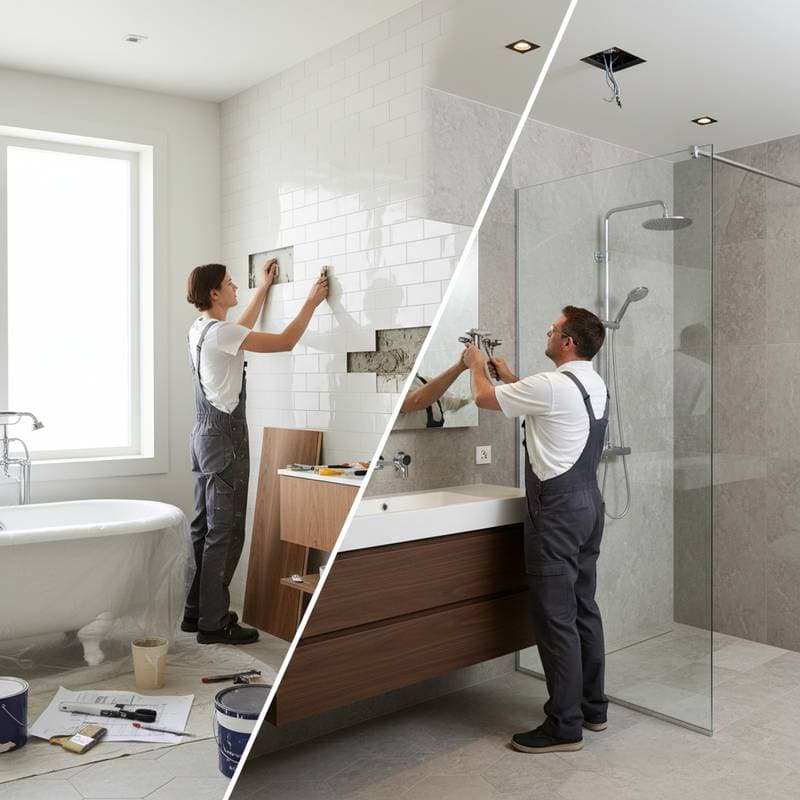
Luxury Bathrooms: DIY Opportunities Versus Professional Expertise
A luxury bathroom remodel combines aesthetic appeal with functional precision, yet it does not require outsourcing every task. Homeowners with relevant skills can handle certain elements, provided they recognize the boundaries of their expertise. This guide outlines the aspects suitable for do-it-yourself efforts and those that necessitate professional intervention, ensuring a balance of cost savings, safety, and durability.
Dreaming of a serene, spa-inspired bathroom at home becomes achievable through informed choices. By dividing the project into manageable components, individuals can contribute creatively while safeguarding against common pitfalls. The result is a space that enhances daily routines without compromising quality or compliance.
Defining a Luxury Bathroom
Luxury bathrooms elevate the everyday experience through thoughtful integration of features and materials. Elements such as underfloor heating, expansive rainfall showerheads, bespoke vanities, ambient lighting, and premium hardware create an atmosphere of tranquility and sophistication. Precision in installation distinguishes these spaces from standard renovations, as every detail must align seamlessly to deliver comfort and reliability.
Materials like natural stone, engineered quartz, and polished metal demand careful handling to prevent damage from moisture or improper support. For instance, a heavy freestanding tub may require floor reinforcement to distribute weight evenly. Homeowners who overlook these factors risk structural issues or accelerated wear, leading to costly corrections down the line.
Despite the complexity, many components lend themselves to skilled DIY participation. Categorize the remodel by complexity levels, considering personal abilities and local building regulations. This approach allows for personal involvement in less technical areas while reserving specialized work for experts.
Essential Tasks Requiring Professional Involvement
Certain remodel elements involve inherent risks that exceed typical DIY capabilities. Relocating plumbing lines, upgrading electrical systems, or altering load-bearing structures demand licensed professionals to maintain safety and adhere to codes. Proceeding without such expertise can result in hazards, legal violations, and invalidated insurance coverage.
Plumbing Adjustments and Drainage Systems
Relocating fixtures like bathtubs, showers, or toilets involves precise adjustments to water supply and waste lines. Luxury setups often incorporate balanced pressure systems and concealed controls, which require exact slopes for efficient drainage. Errors in alignment can cause backups, persistent leaks, or hidden mold development within walls.
Professionals use specialized tools to ensure watertight connections and compliance with ventilation standards. For example, installing a linear drain in a curbless shower demands accurate grading to prevent water pooling. Estimated costs for these services range from $3,000 to $8,000, varying by project scope and regional labor rates.
Electrical Modifications and Radiant Heating
Wet environments impose stringent electrical requirements to prevent shocks or fires. Ground-fault circuit interrupter outlets, dimmable recessed lights, and radiant floor heating necessitate dedicated circuits and proper grounding. Licensed electricians verify load calculations and integrate smart controls for energy efficiency.
Underfloor heating, a hallmark of luxury, involves embedding cables or mats beneath tiles while avoiding interference with waterproofing layers. Improper installation may lead to uneven heating or system failures. Professional fees typically fall between $2,000 and $6,000, including materials and testing.
Waterproofing Measures and Structural Supports
Large-format showers or deep soaking tubs add significant weight when in use, often exceeding 500 pounds. Reinforcing subfloors with additional joists, applying liquid-applied membranes, and installing vapor barriers protect against water intrusion. These steps prevent rot in adjacent areas and maintain indoor air quality.
Professionals assess the existing framework using tools like moisture meters and levelers to identify vulnerabilities. In multi-story homes, they coordinate with structural engineers if needed. Costs for these interventions range from $1,500 to $4,000, depending on the extent of modifications.
Precision Installation of Stone and Glass Elements
Handling large slabs of marble, custom-cut quartz surfaces, or frameless glass panels requires diamond-tipped saws and industrial adhesives. Experts achieve invisible seams through laser leveling and ensure secure mounting to withstand thermal expansion. DIY attempts frequently result in chipped edges, unstable joints, or personal injuries from heavy lifting.
For a luxury vanity top, professionals polish edges on-site and integrate undermount sinks without gaps. Such attention to detail enhances the visual flow and hygiene of the space. Budget $2,500 to $10,000 for these installations, influenced by material quality and design intricacy.
Navigating Permits and Inspections
Most substantive changes to plumbing, electrical, or structural components trigger permitting requirements. Contractors prepare detailed blueprints, submit applications, and coordinate with inspectors at key stages, such as rough-in and final walkthroughs. Bypassing this process can complicate home sales or void manufacturer warranties on fixtures.
Local jurisdictions vary, so consult the building department early to understand timelines and fees. Professionals streamline this bureaucracy, allowing focus on design choices. Incorporating these steps from the outset avoids delays and ensures long-term compliance.
Prioritizing Safety and Regulatory Adherence
Bathrooms represent high-risk zones due to the interplay of moisture and electricity, prompting rigorous code enforcement. Even minor errors, such as inadequate venting, can escalate into health concerns like respiratory issues from mold. Vigilance in following guidelines protects occupants and preserves property value.
Monitor for indicators of trouble during the project:
- Unusual noises or odors from drains post-installation
- Electrical fluctuations or frequent breaker trips near water sources
- Yielding or discolored subflooring around heavy fixtures
- Visible moisture buildup on walls or within cabinetry
Halt operations immediately upon detecting these signs and engage a specialist. Preemptive home inspections, costing around $300 to $500, can reveal latent problems before they worsen.
Insurance considerations further underscore professional involvement. Policies often deny claims for damages stemming from unlicensed alterations, such as floods from faulty pipes. Maintain comprehensive records, including invoices, progress photos, and inspection reports, to support claims during resale or disputes.
Strategies for a Seamless Remodel
Integrate practical enhancements that amplify luxury without excess expenditure. For instance, pair underfloor heating with energy-efficient insulation to minimize utility bills while promoting even warmth. Select finishes resistant to humidity, such as epoxy-based paints and epoxy-grouted tiles, to simplify upkeep.
Layer illumination sources thoughtfully: overhead fixtures for task lighting, sconces for vanity areas, and toe-kick lights for a subtle glow. Test configurations in low-light conditions to confirm adequate illumination without glare. Even for self-installed elements, enlist experts for critical seals, like silicone applications around penetrations, to fortify defenses against water.
Plan inspections around project phases, such as framing, plumbing rough-in, and finish work. Contact your local authority for a checklist tailored to bathroom renovations. This proactive scheduling keeps momentum while satisfying oversight needs.
Sustaining Your Luxury Bathroom Investment
Completion marks the beginning of enjoyment, yet ongoing care ensures enduring performance. Annually reseal grout lines and stone surfaces with penetrating sealants to repel stains and etchings. Clean ventilation fans quarterly to sustain airflow and curb allergen accumulation.
Routinely inspect for subtle leaks under sinks or behind toilets using dye tests in drains. Reapply caulk around fixtures every two years to seal micro-cracks formed by settling. These habits extend the lifespan of materials and maintain the pristine, inviting ambiance.
A strategic blend of personal craftsmanship and professional oversight yields a bathroom that delights for years. Homeowners gain fulfillment from shaping their vision, backed by reliable systems that withstand daily use. This approach delivers tangible returns through enhanced comfort, efficiency, and property appeal.