Permit Fees Now Cost $2,000-$8,000 Per Remodel
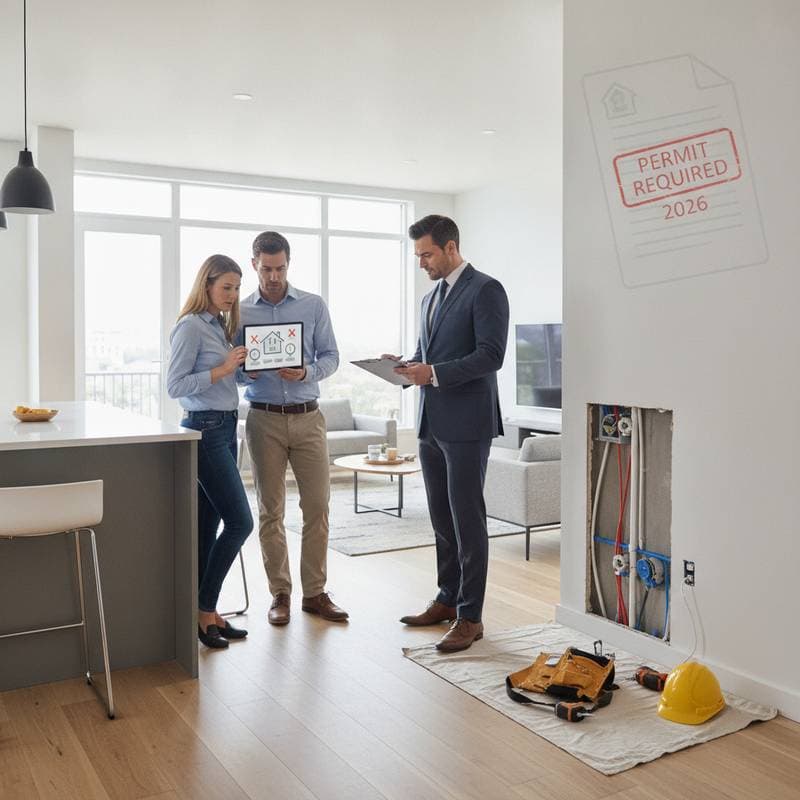
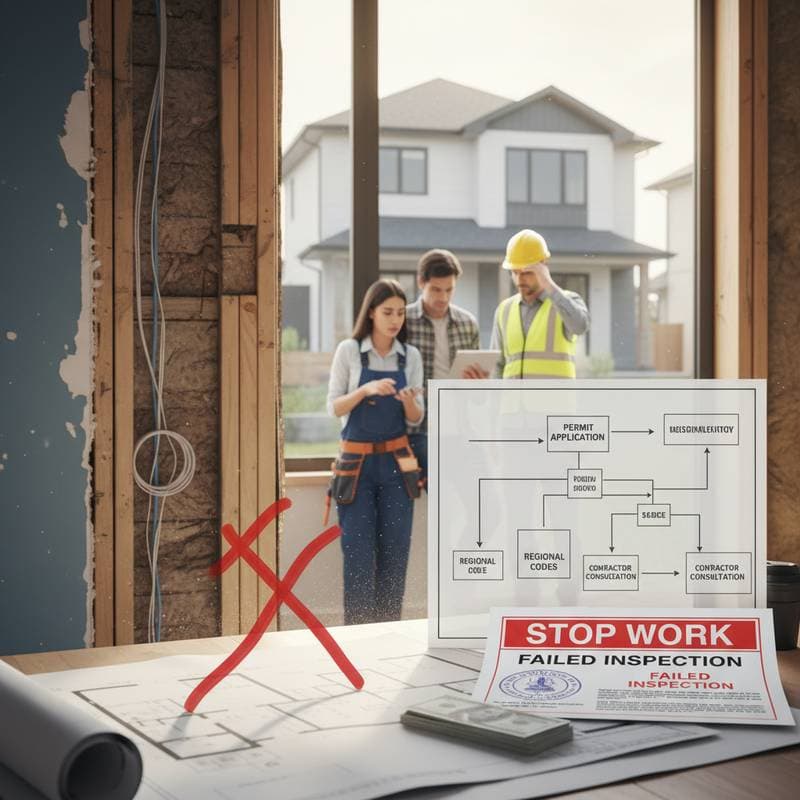
In 2026, permit fees for home remodels range from $2,000 to $8,000, emerging as a significant and unexpected expense that disrupts renovation budgets across project scales.
Loading...
Articles tagged with permit
In 2026, permit fees for home remodels range from $2,000 to $8,000, emerging as a significant and unexpected expense that disrupts renovation budgets across project scales.
Navigate permit requirements with confidence to protect your renovation budget and home value. This guide details essential steps, common pitfalls to avoid, and tools for efficient approvals, ensuring your project remains on schedule from initial planning through final walkthrough.
Embark on DIY home projects with confidence by sidestepping permit pitfalls. This comprehensive guide uncovers frequent errors, from overlooked structural changes to regional code differences, and provides practical steps to secure approvals, prepare documentation, and safeguard your efforts legally.
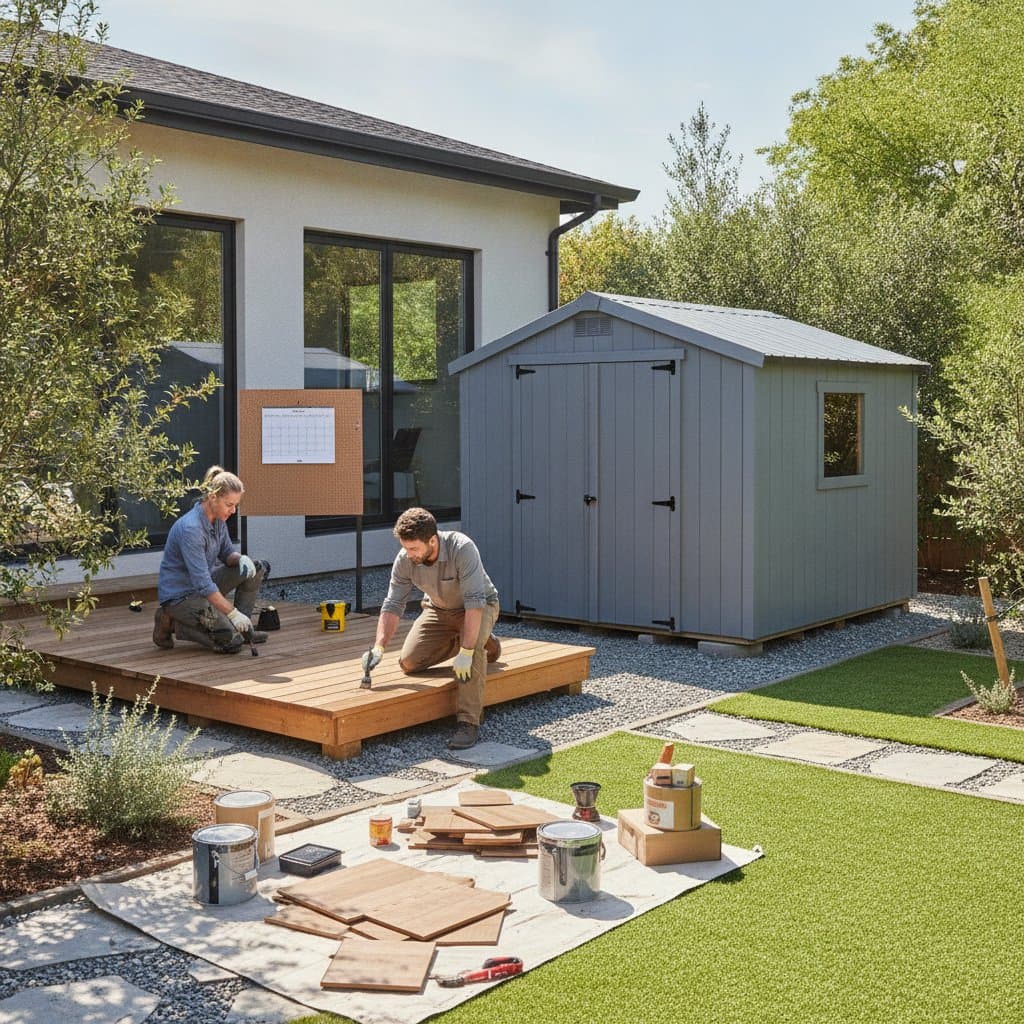
Numerous DIY home improvement projects require permits, including deck construction, electrical modifications, and plumbing updates. Neglecting permits can result in substantial fines, insurance denials, and challenges during home sales. Permits safeguard structural integrity, code adherence, and long-term value. This guide details key projects, the permitting process, and strategies to sidestep common errors.
Revitalize your home in 2026 without navigating permit requirements. This guide covers practical, permit-free DIY projects for painting, lighting, flooring, kitchens, bathrooms, and outdoor spaces. Gain insights on safety, budgeting, and professional techniques to achieve lasting improvements efficiently.
Unlock 2026's permit-free DIY home improvement ideas, from interior painting and flooring refreshes to minor deck additions and energy-saving tweaks. Gain insights on costs, essential safety practices, and signs to consult professionals for seamless, code-compliant transformations.
Unlock the 2026 home renovations that require no permits, allowing quick upgrades without paperwork. This guide differentiates cosmetic changes from structural ones, advises on DIY versus professional help, and ensures code compliance for increased home value and enjoyment.
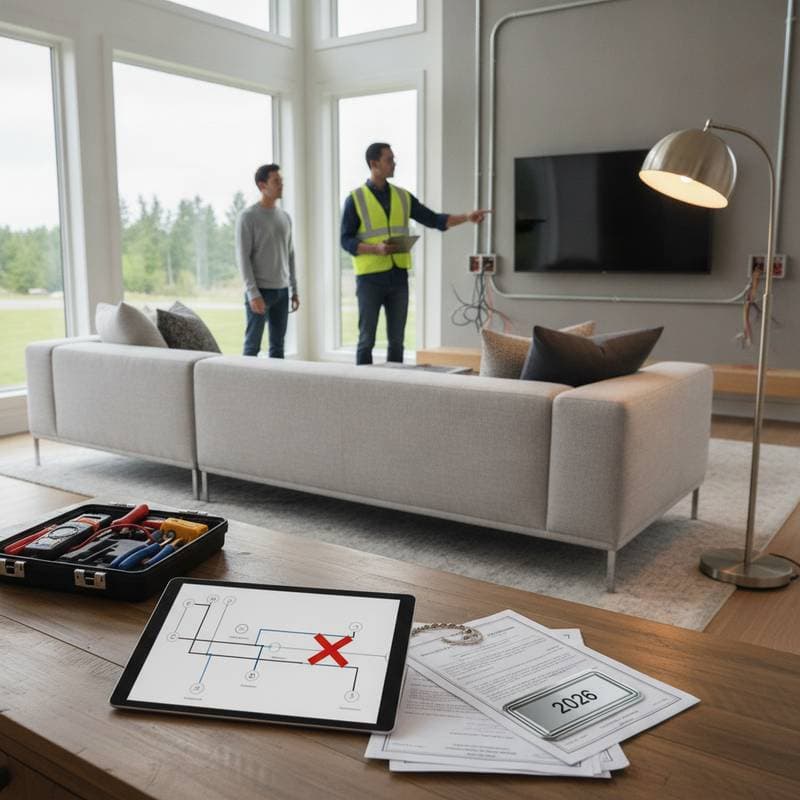
Understand the electrical projects that require permits in 2026 and determine when professional expertise is mandatory. From service panel upgrades to new circuits, learn how to maintain safety, comply with codes, and protect your home and finances.
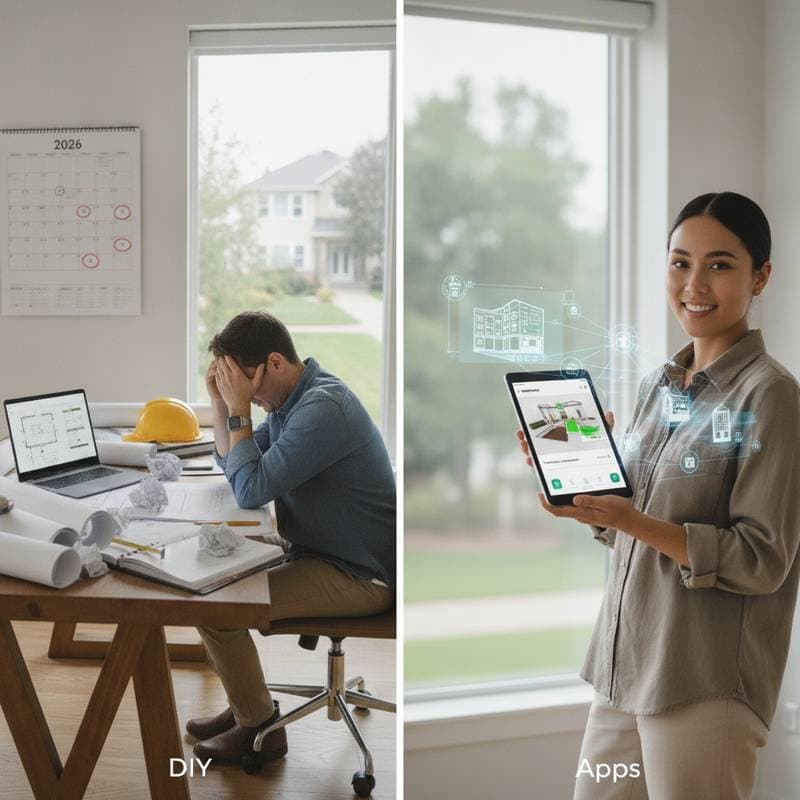
With 2026 building codes introducing stricter standards, homeowners must decide between permit apps and licensed contractors. While apps expedite paperwork and tracking, contractors deliver the expertise needed for full compliance and quality. The optimal strategy merges technology for speed with professional insight for reliability and enduring results.
In 2026, certain DIY home projects venture into illegal territory without proper permits or professional help. Electrical rewiring and structural alterations demand attention to maintain safety, preserve property value, and secure insurance. Understand legal thresholds and implement strategies for compliant home improvements.
Many homeowners overlook permits for minor renovations, yet projects like plumbing swaps, deck builds, and HVAC upgrades often require them. Understand permit requirements, hire qualified experts, and prevent fines or safety issues to protect your home's value.
Elevate your home's resale value in 2026 through permit-free DIY projects. These upgrades, including fresh paint, updated lighting, new flooring, and smart devices, offer high returns on investment without bureaucratic delays. Discover how to execute them effectively and sidestep common errors.
Embark on DIY home projects with confidence by understanding permit requirements. While minor tasks stay permit-free, major structural, electrical, or plumbing work demands contractor approval. This knowledge safeguards safety, finances, and marketability, turning potential pitfalls into seamless successes.
Planning a kitchen renovation? Identify DIY tasks that need permits to stay safe and legal. From electrical updates to plumbing additions, learn to navigate codes and decide on professional help for a seamless project.
Many DIY home projects, from deck additions to electrical upgrades, legally require building permits to maintain safety standards and protect property value. This comprehensive guide identifies key projects needing approval, explains regulatory purposes, and provides practical steps to handle the permitting process effectively, helping you renovate with assurance.
Embarking on DIY electrical tasks offers satisfaction, yet recognizing the need for permits and professional expertise is vital.
The 2025 building permit updates introduce stricter requirements for DIY home improvements, emphasizing inspections and approvals for projects like decks and electrical work. Homeowners can navigate these changes through digital tools, precise budgeting, and proactive planning to prevent fines, project halts, and expensive corrections.
Planning a kitchen transformation? Understand permit requirements to balance DIY savings with legal obligations. This guide covers essential rules, common pitfalls, and strategies for successful, code-compliant remodeling that enhances safety and resale potential.
Envision transforming your living space over a weekend. Prior to beginning any demolition or installation, identify the DIY projects that necessitate permits and licensed professionals. Structural modifications, electrical upgrades, plumbing adjustments, and HVAC installations without proper approvals can result in substantial fines, safety dangers, and insurance complications. Recognize the indicators, safeguard your property, and proceed with informed decisions.
Many DIY home projects, such as deck repairs or water heater installations, require building permits despite appearing simple. This guide identifies key projects needing approval, explains the importance of compliance, and provides steps to navigate the process effectively, preventing fines and ensuring long-term safety.