Why DIY EV Chargers Shock Your Home and Budget
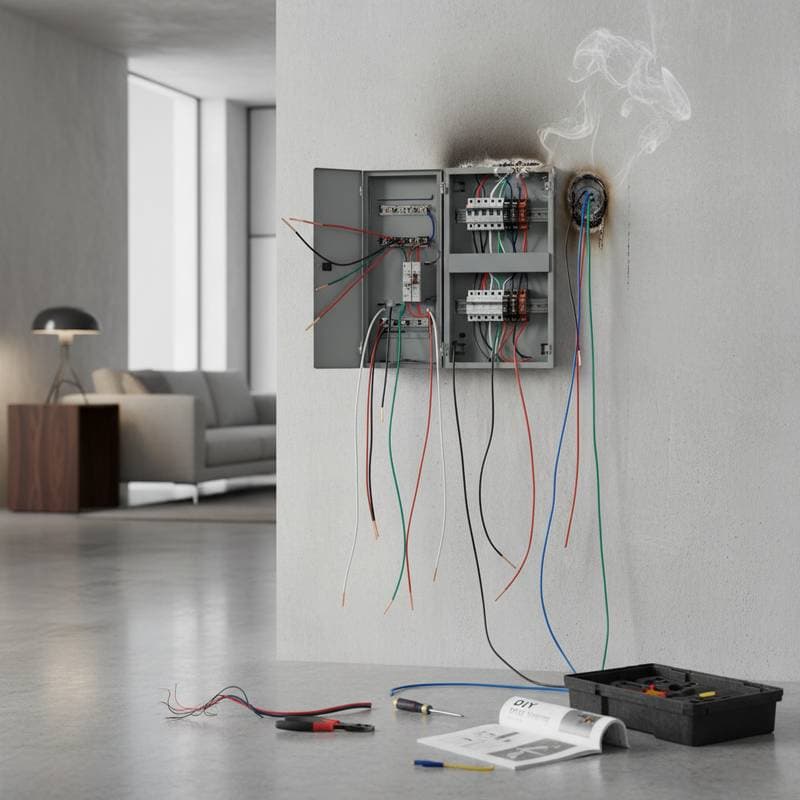
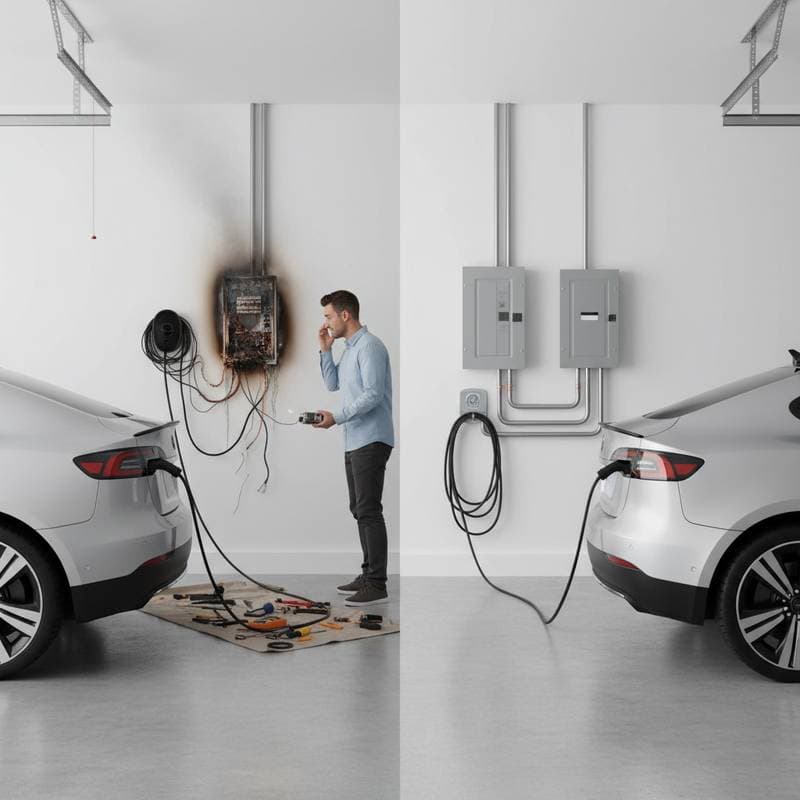
DIY EV charger installation seems cost-effective, yet it invites electrical dangers, permit violations, and insurance issues that inflate expenses.
Loading...
Articles tagged with electrical
DIY EV charger installation seems cost-effective, yet it invites electrical dangers, permit violations, and insurance issues that inflate expenses.
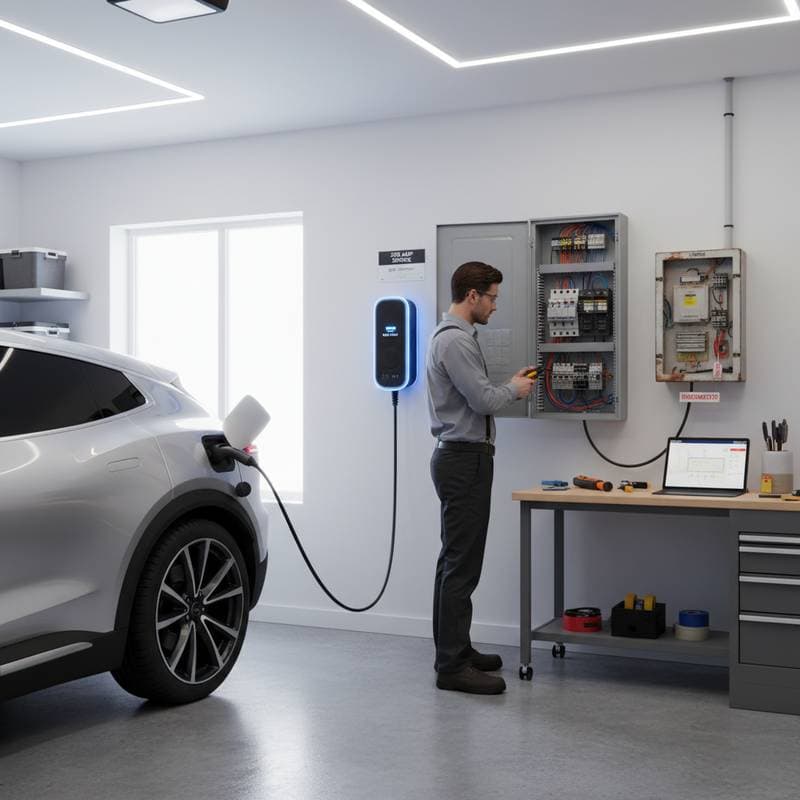
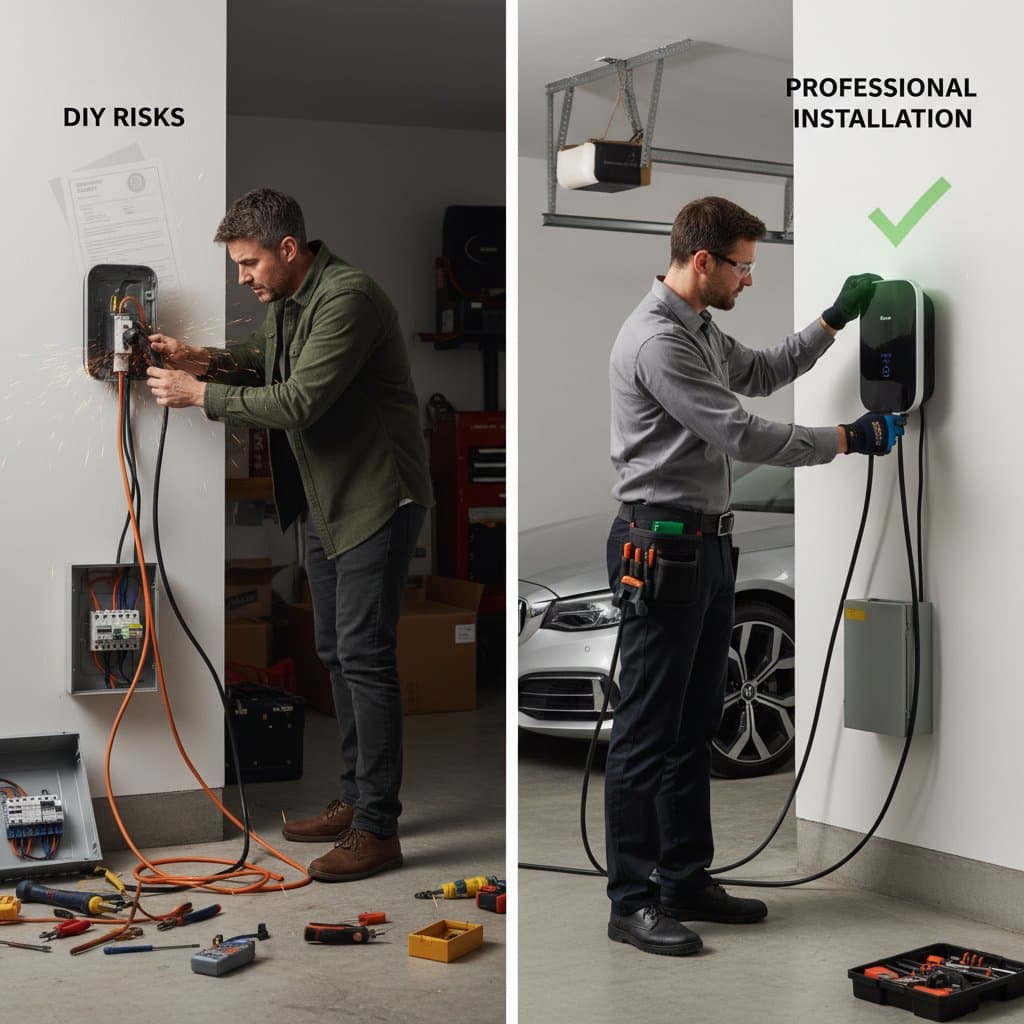
Installing an EV charger yourself may appear cost-saving, but it carries hidden dangers like electrical fires, code violations, and insurance denials. Professionals deliver safety, compliance, and reliable performance. Discover safe DIY limits, common errors to sidestep, and the benefits of expert installation for lasting peace of mind.
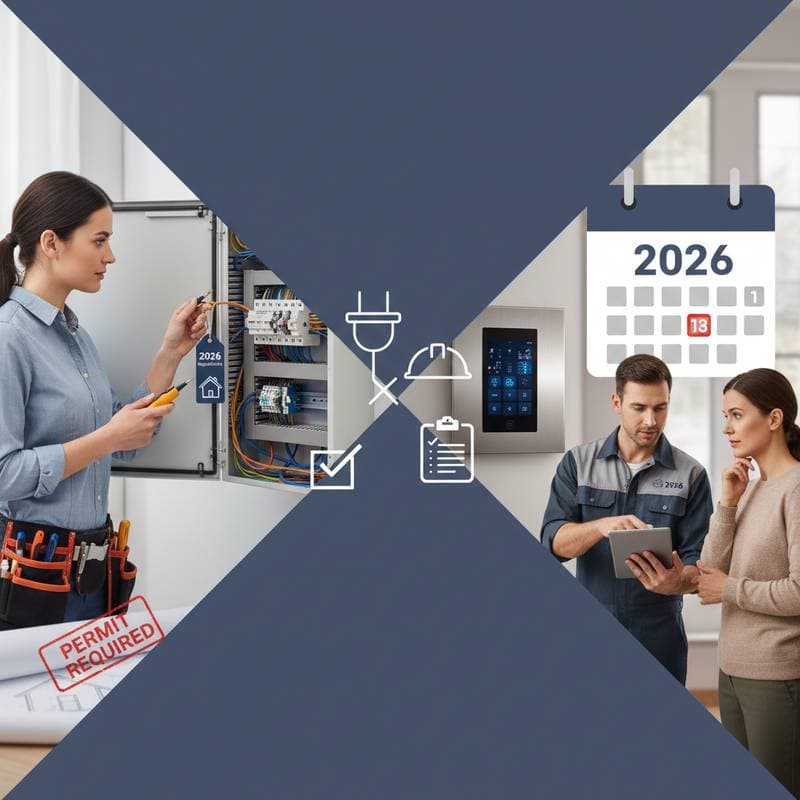
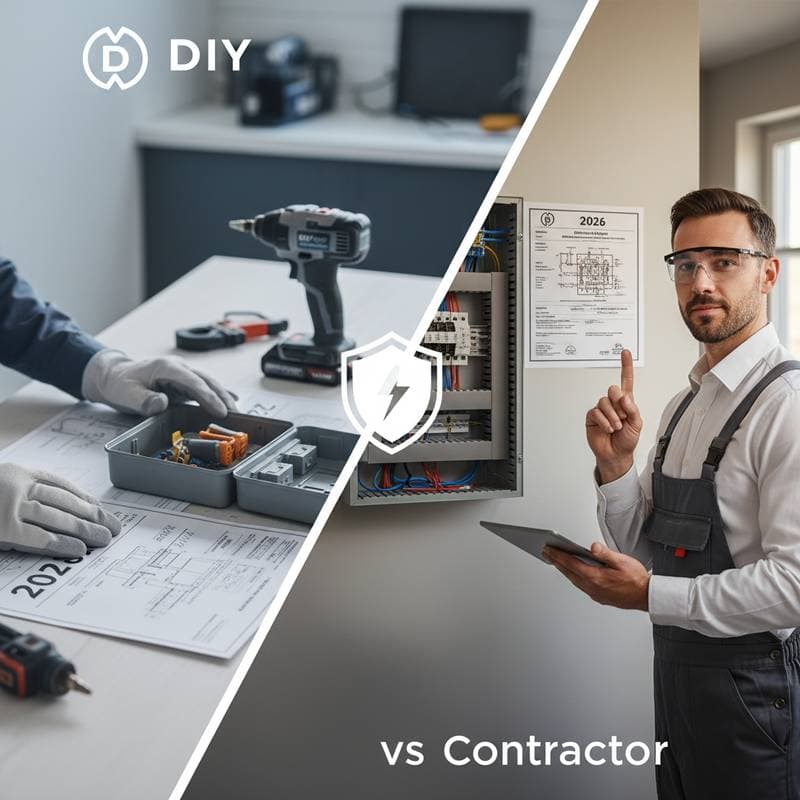
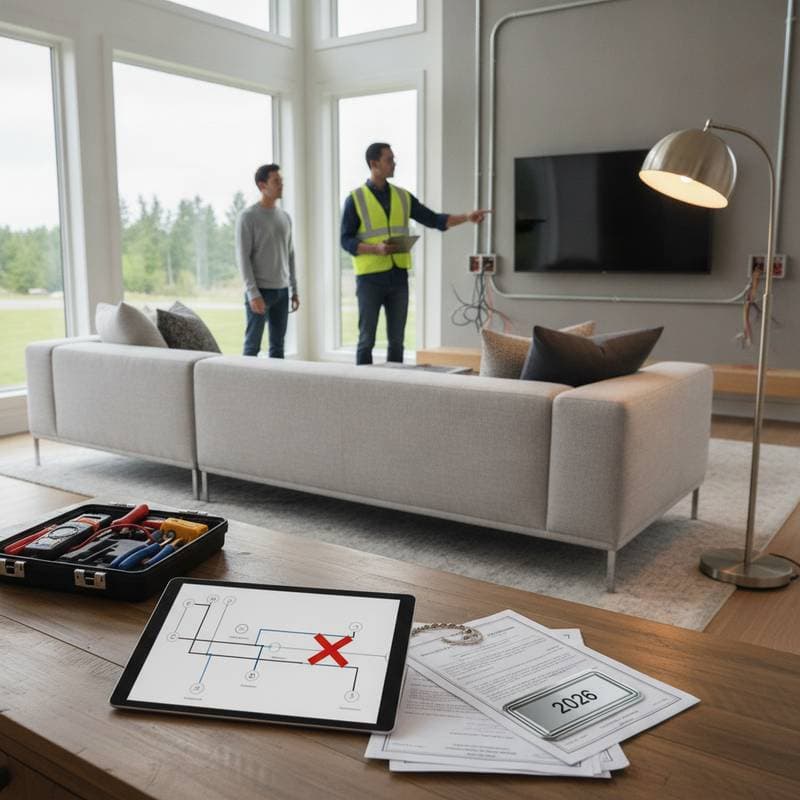
Understand the electrical projects that require permits in 2026 and determine when professional expertise is mandatory. From service panel upgrades to new circuits, learn how to maintain safety, comply with codes, and protect your home and finances.
Embarking on DIY electrical tasks offers satisfaction, yet recognizing the need for permits and professional expertise is vital.
Flickering lights or tripped breakers frequently indicate overlooked permits in DIY electrical efforts.
Upgrading your home electrical panel may appear as a straightforward DIY task, yet it conceals substantial risks such as electrocution and fire. Explore the potential for costly errors, code violations, and insurance issues, and see how a licensed electrician delivers unmatched safety and reliability for your investment.
Distinguishing between simple DIY electrical fixes and those requiring permits protects your home from risks. Permits ensure code compliance, while licensed pros handle complex tasks efficiently. Explore how these steps enhance safety, support insurance coverage, and boost property value through reliable electrical improvements.
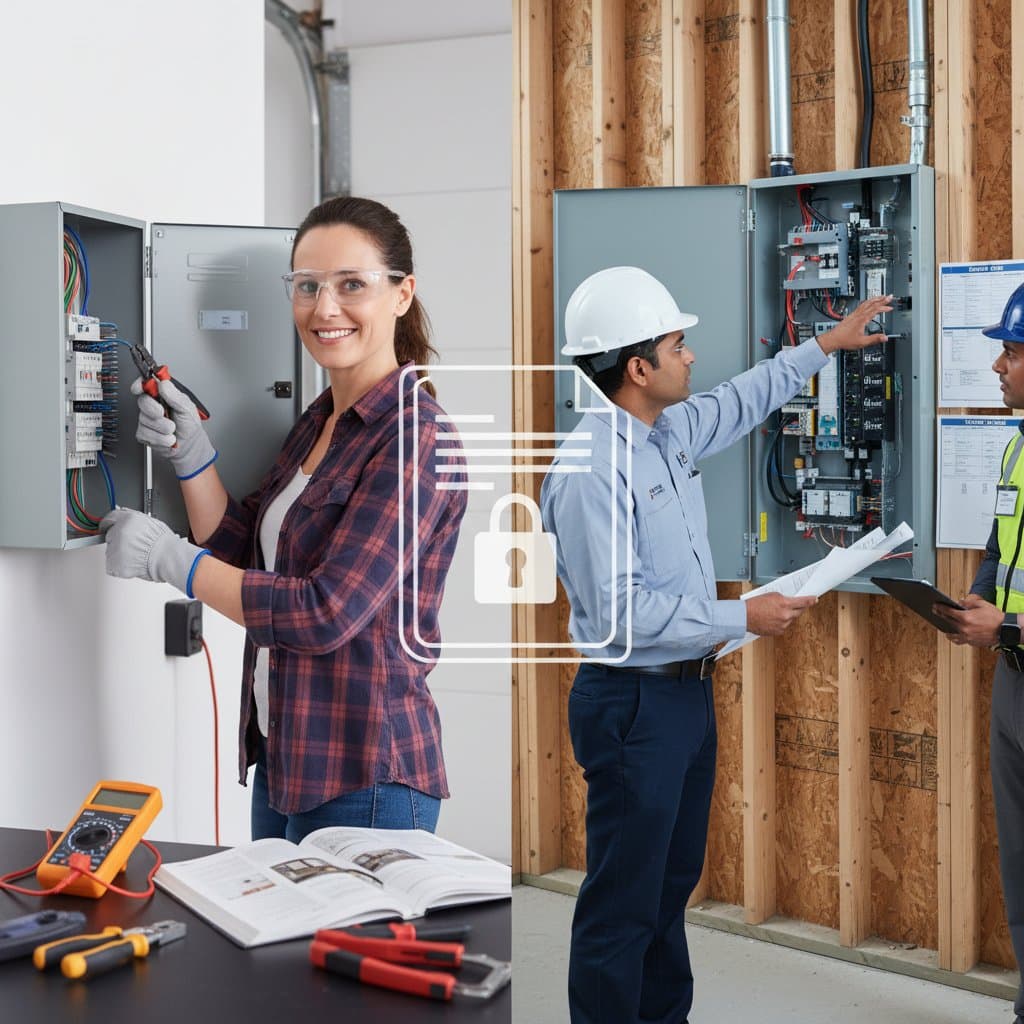
DIY electrical projects can save money, but the risks often outweigh the rewards. Simple tasks like swapping fixtures are safe, while panel upgrades or rewiring demand licensed expertise. Mistakes can spark fires, void insurance, or derail home sales. Learn where DIY ends and professional help becomes essential.
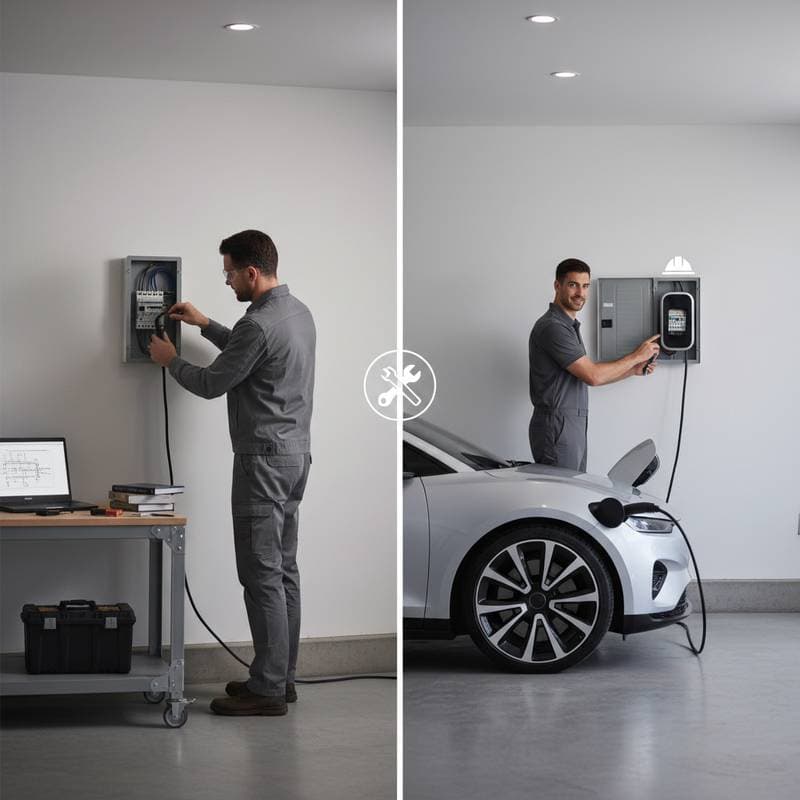
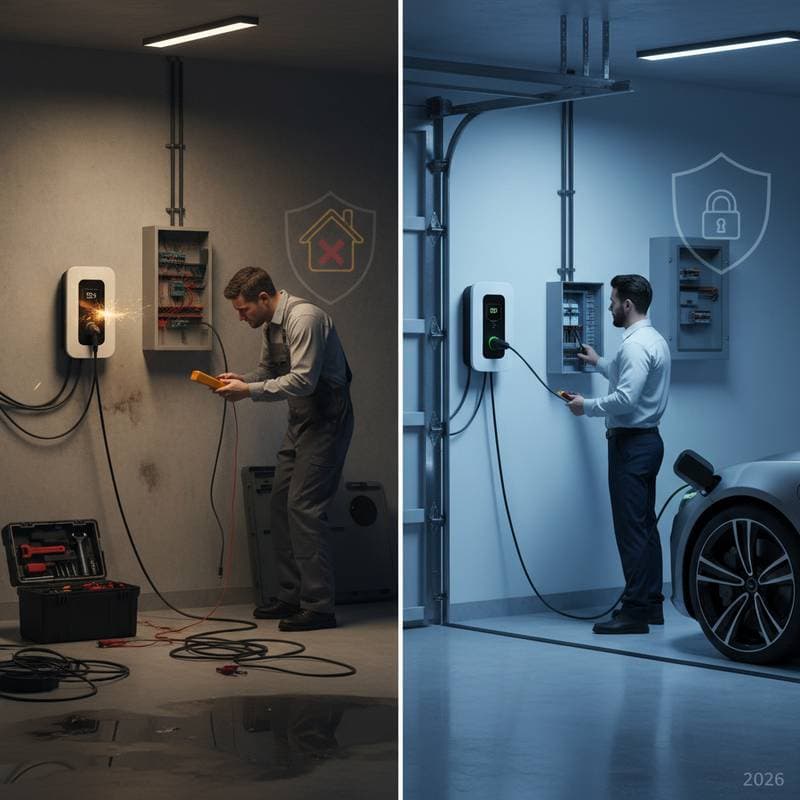
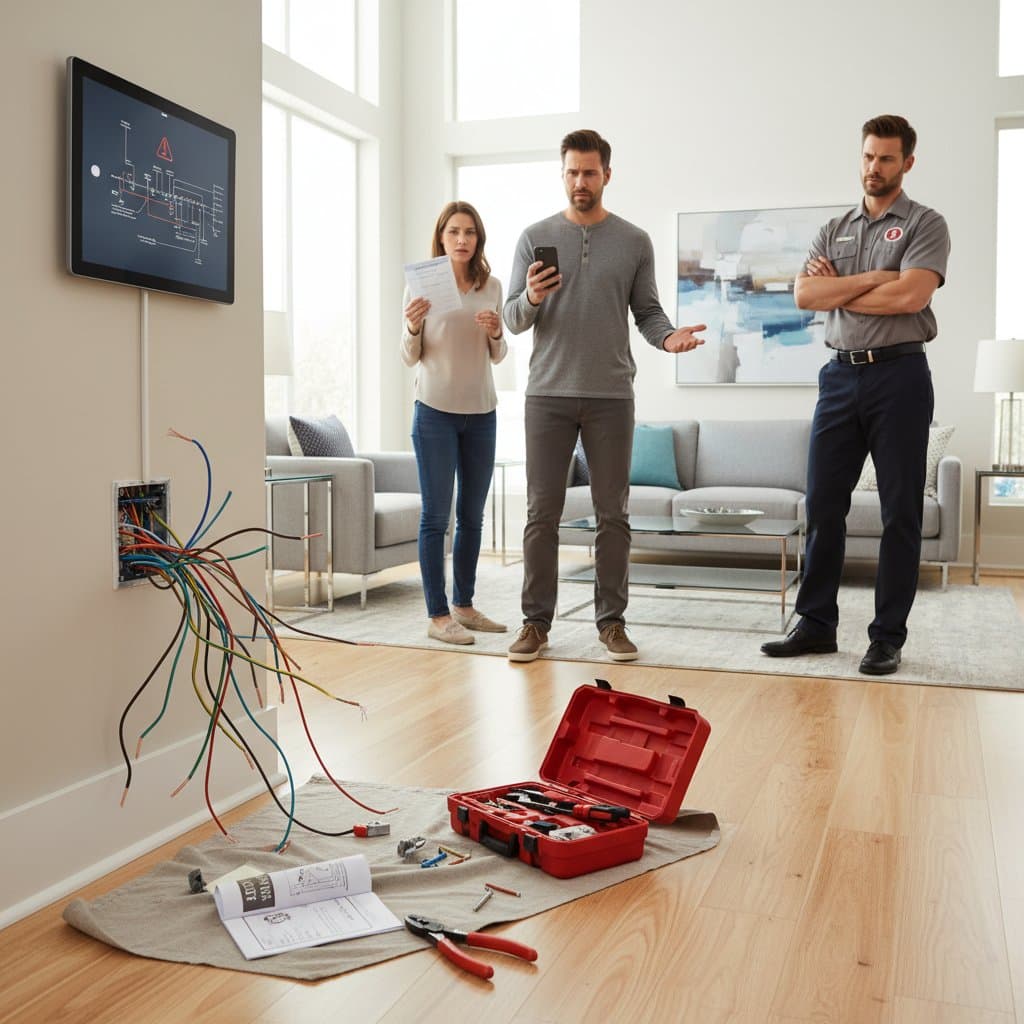
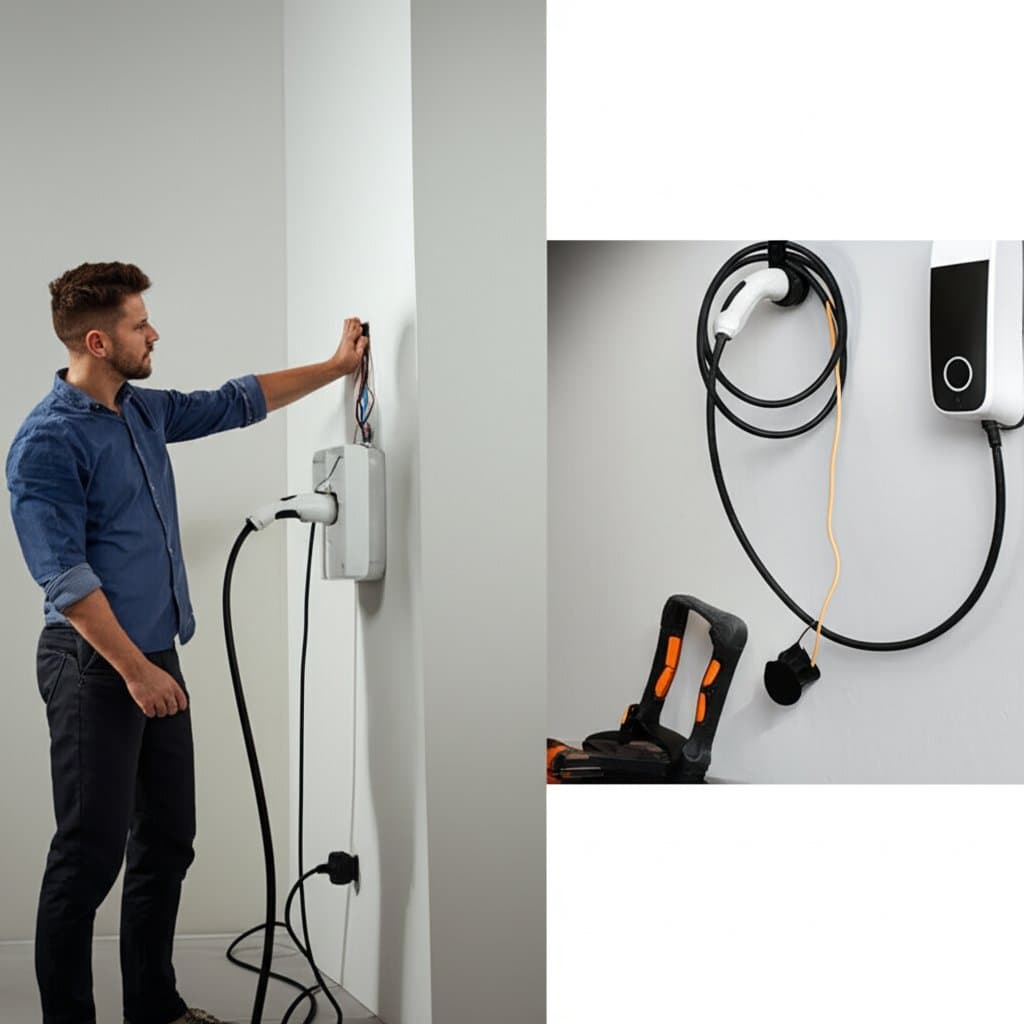
Planning to install an EV charger yourself? Although DIY approaches promise savings, risks such as electrical fires, inspection failures, and insurance denials often result in higher overall costs.
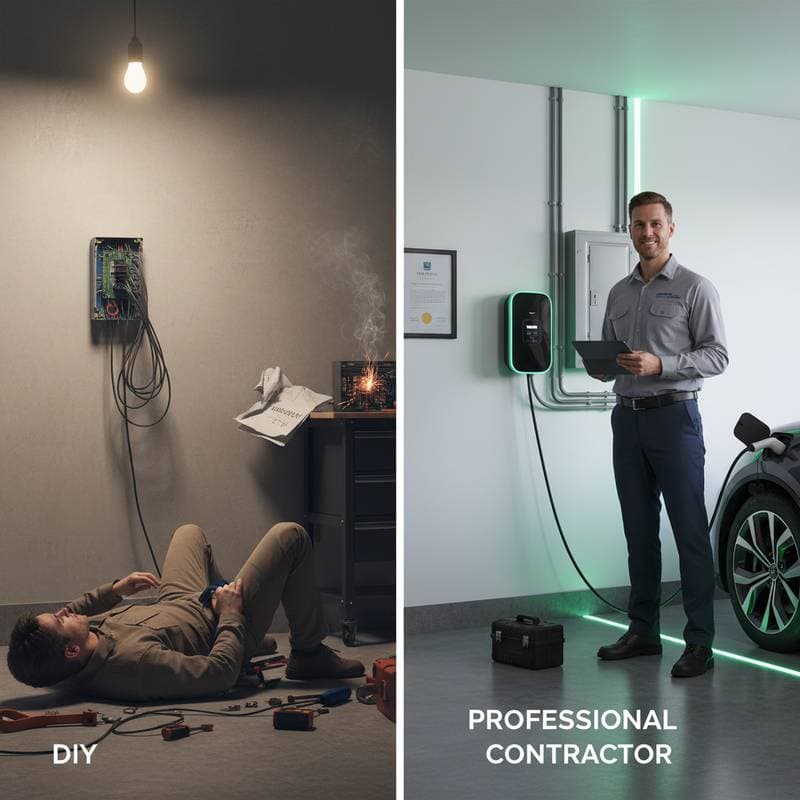
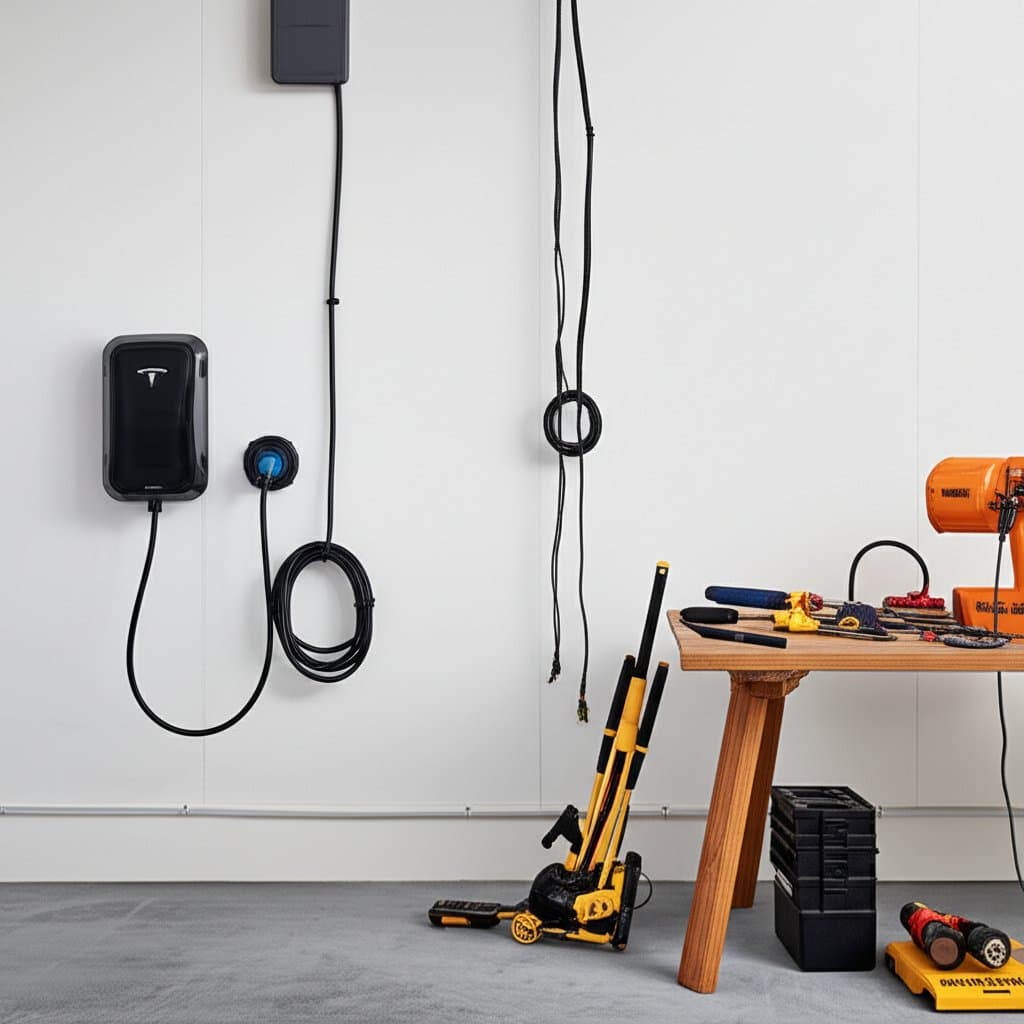
DIY EV charger installation offers cost savings of up to 50 percent, yet involves serious risks including electrical hazards and permit violations. Discover the full costs, safety considerations, and scenarios where professional help ensures compliance and reliability.