
DIY Skills Gen Z Needs for Profitable 2026 Flips
Gen Z investors approach home flipping with a focus on hands on work that reduces expenses and increases returns. They select projects that deliver measurable value while staying within realistic timelines. This approach turns basic renovations into reliable sources of profit.
Painting and Surface Preparation
Proper painting starts with thorough surface cleaning and repair. Sand any rough spots, fill holes with spackle, and apply primer before the finish coat. These steps produce even coverage that lasts longer and appeals to buyers.
Select neutral colors such as soft grays or warm whites for broad market appeal. Use quality brushes and rollers sized for the surface to avoid visible lines. One weekend typically covers a standard living room when preparation receives full attention.
Flooring Replacement Basics
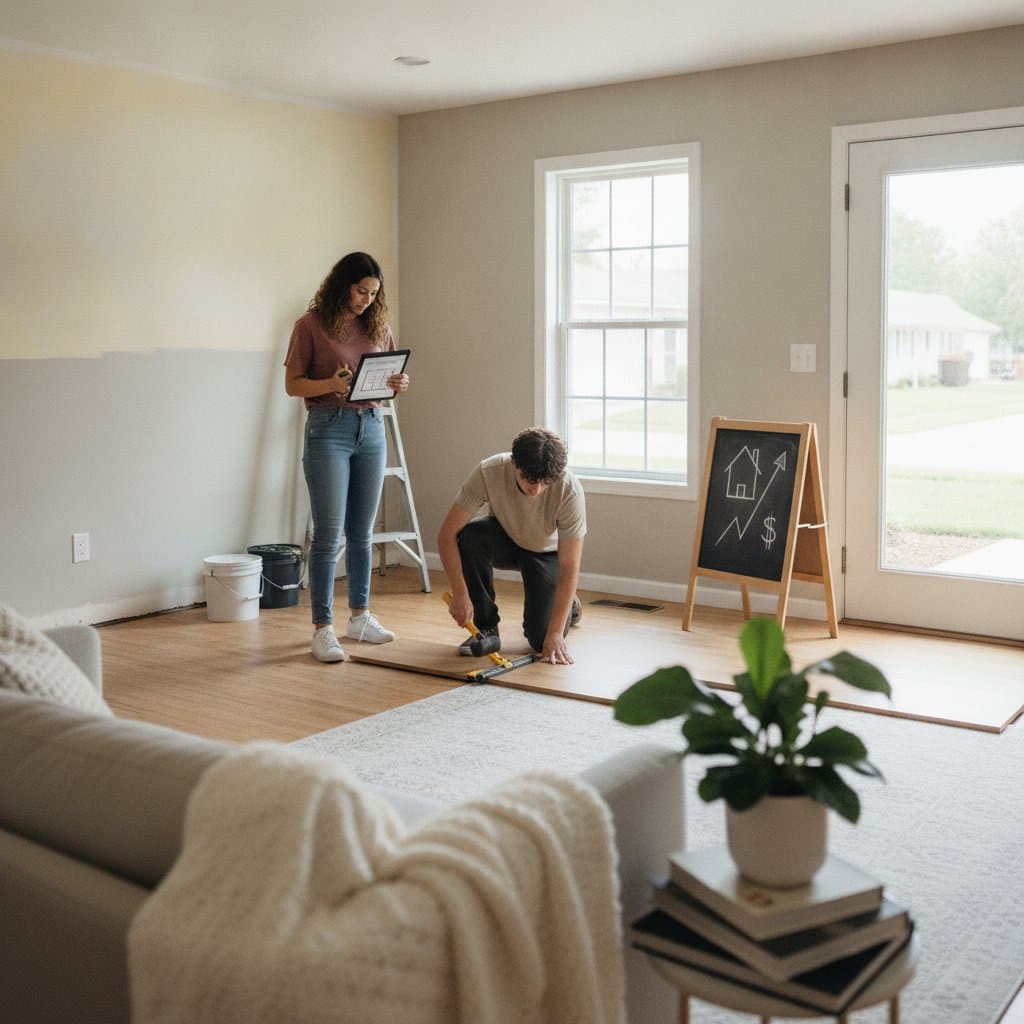
New flooring updates an entire room quickly. Begin by removing old material and checking the subfloor for level. Vinyl plank or laminate works well for beginners because it installs with simple click systems.
Measure twice before cutting to reduce waste. Allow material to acclimate in the space for 48 hours. Budget 4 to 7 dollars per square foot for durable mid grade options that hold up under foot traffic.
Tile Installation for Kitchens and Bathrooms
Tile work adds resale value, especially in wet areas like kitchens and baths. Small projects such as backsplash installations remain manageable for beginners.
Required tools include a tile cutter, spacers, trowel, grout float, and adhesive. Ceramic or porcelain tiles cost 3 to 8 dollars per square foot. A 30 square foot backsplash finishes in one weekend.
Mist grout lightly with water and smooth it again if drying appears uneven before full curing.
Lighting Fixture Updates
Swapping outdated fixtures brightens rooms without major construction. Turn off power at the breaker before starting. Match new fixtures to existing wiring and secure them firmly to ceiling boxes.
LED options reduce long term energy costs while providing better light quality. Track expenses by room to compare actual spend against initial estimates.
Plumbing Repairs and Fixture Updates
Simple plumbing updates refresh kitchens and bathrooms without a full remodel. Learn to replace faucets, repair leaky drains, and install flexible supply lines.
Savings reach 150 to 300 dollars per fixture when work stays in house. Beginner projects include replacing a bathroom faucet, installing a new showerhead, and fixing a running toilet.
Apply penetrating oil to rusted fittings and allow time for loosening before attempting to turn any connections.
Smart Systems for Managing Your Flip
A profitable flip depends on organization as much as skill. Gen Z renovators succeed when they treat each project like a mini business.
The Budget Tracker
Use a spreadsheet or project management app to log expenses, receipts, and material sources. Categorize entries by room to identify overspending early.
The Timeline Board
Divide the renovation into weekly goals. Week one covers paint and prep. Week two handles flooring. Week three completes lighting and finishing touches. This structure maintains steady progress and prevents burnout.
The ROI Calculator
Estimate expected return on each improvement. Painting often yields near full return. A mid range kitchen update reaches 60 to 80 percent. Prioritize projects that deliver strong resale value per dollar spent.
Pro Tips for Success
- Choose a single room or system to master before attempting a full property.
- Acquire core tools such as a drill, saw, and level first, then add specialty items as projects advance.
- Study online tutorials and attend community workshops for practical guidance.
- Verify that even minor updates like outlet changes meet local building codes before starting.
- Capture before and after photos to document progress and support marketing materials.
Building Long Term Value
Each completed project strengthens future work by reducing dependence on outside contractors. Skills developed during flips carry forward into personal homes and additional investments. Systematic habits turn individual renovations into a repeatable path toward financial independence.